
When you reach adulthood, you likely don’t expect to have acne. However, even if you didn’t have trouble as an adolescent, you could have acne later in life. People who suffer from adult-onset acne have similar experiences as teen sufferers. Fortunately, you can reduce or eliminate your acne problems.
Learn more about adult-onset acne, the things that cause it, and ways you can treat and prevent it.
What Is Adult-Onset Acne?
Acne is skin inflammation as a result of bacteria-clogged pores. Typical symptoms include the appearance of pimples and blackheads. Some acne may develop pustules and large cysts. Acne is a common condition in teens due to hormonal changes during puberty.
Adult-onset acne is acne that occurs or is present after adolescence. Many people experience a recurrence of acne in their 20s. However, you can develop it at any time, even if you had clear skin as a teen. Some people get acne as late as their 50s. A few doctors classify rosacea as acne, but the smaller pimples appear and disappear at the same time, unlike traditional acne.
What Causes Adult-Onset Acne?
The causes of adult-onset acne are similar to teen acne. Discover some of the most common adult-onset acne triggers.
Hormones
Hormonal fluctuations cause changes in the skin that increases oil production and inflammation. Acne may come and go with the hormone cycle.
Stress
Stress lowers your body’s ability to fight inflammation. The stress hormone cortisol can cause problems with the skin. Physical stress can also trigger hormone changes and decrease the ability to fight off infection.
Medications
Some medications change your skin and can lead to increased oil production and inflammation. Allergies may also contribute to acne.
Food
Many experts don’t agree on whether foods cause acne. However, certain foods seem to link to increased skin inflammation. High-glycemic foods like white flour, potatoes, and dairy may increase your chances of acne.
Who Tends to Get Adult-Onset Acne?
Both men and women get adult-onset acne. However, women are more likely to have hormone-related acne. As a woman goes through her menstrual cycle, any pregnancy, and menopause, hormones cause changes in the skin. Women can also get polycystic ovarian syndrome, which causes high hormonal fluctuations.
How Can a Person Treat Their Acne?
Many acne cases involve bacteria-clogged pores, so keeping pores clean is important. If you wear makeup, remove it before you go to bed. You may also find over-the-counter remedies in topical and pill form. These medications can clean pores and reduce redness and inflammation.
When you use skin products, look for labels that say the product doesn’t clog pores or is non-comedogenic. Healed acne can leave pigment changes, so wear sunscreen to keep it from darkening. Sunscreen is also helpful if you have rosacea, as many people have flare-ups after excessive sun exposure.
What Medical Treatments Help with Acne?
Your medical doctor may be able to help with hormonal changes. Oral contraception can sometimes help women clear their acne. Anti-androgen medication may help women control testosterone levels that lead to skin problems.
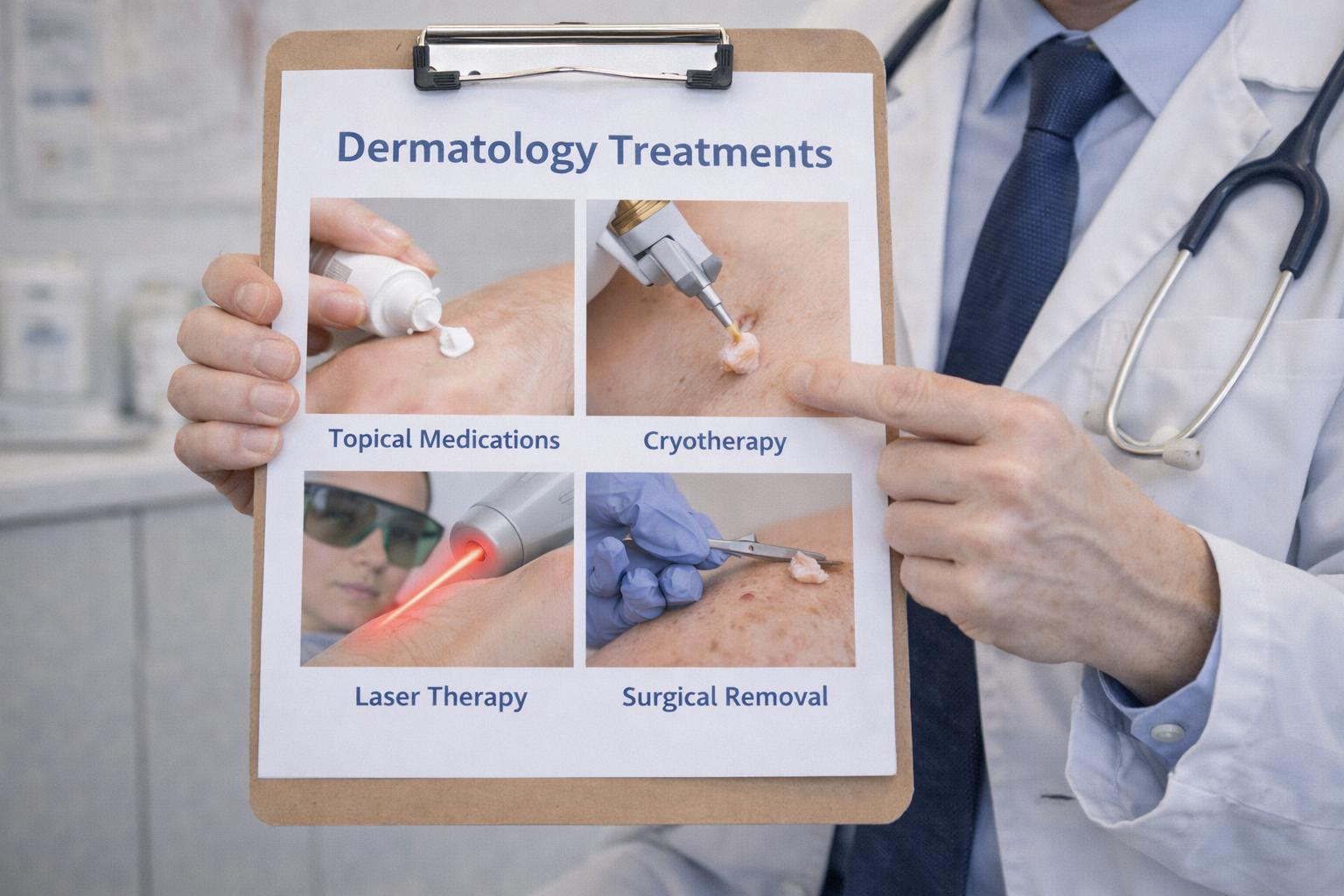
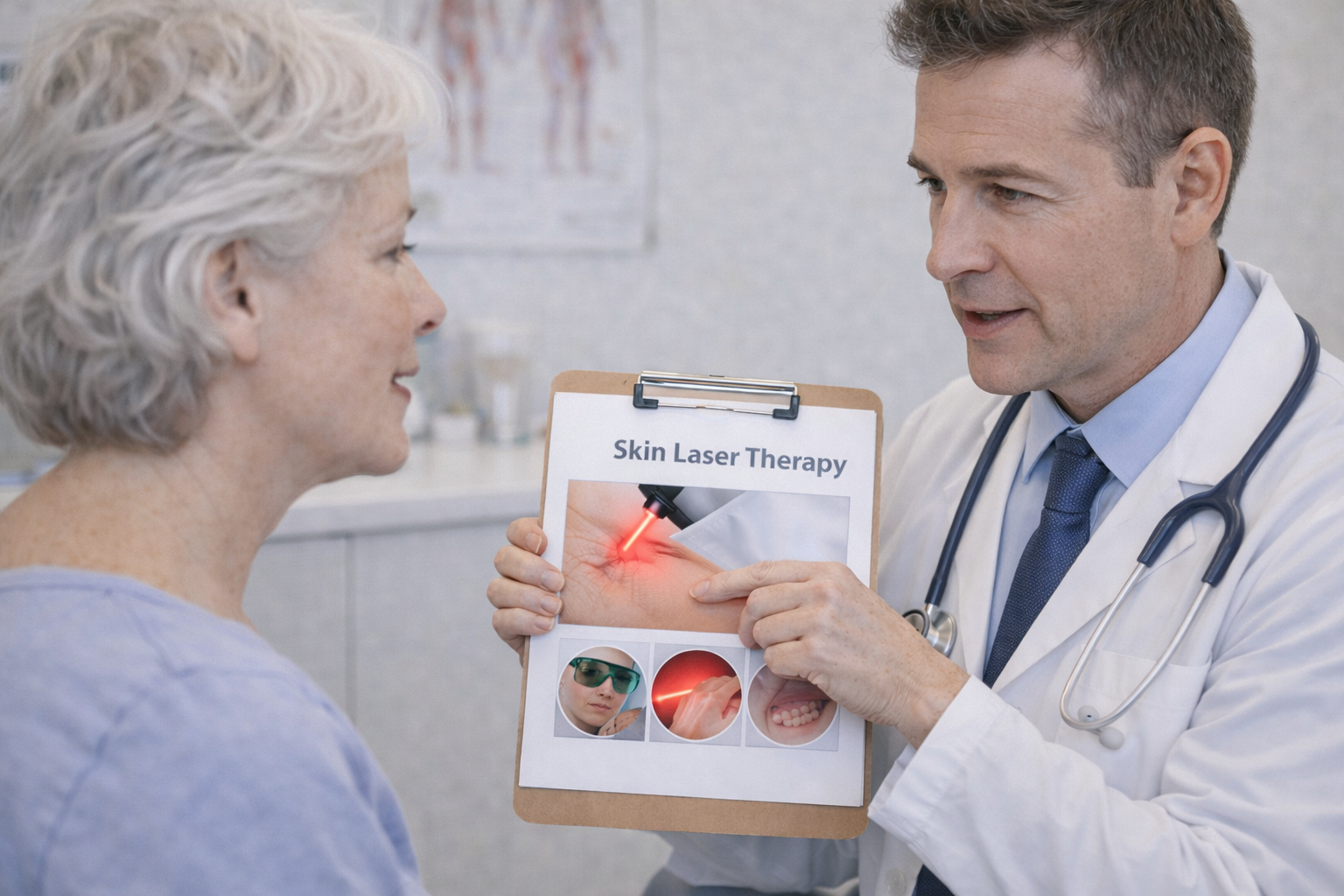
For moderate to severe acne, a dermatologist can help clear the skin. They can do many treatments, such as light therapy and chemical peels, in the office. If you have a severe case of acne, you may benefit from acne surgery and cyst treatments.
Acne not only affects your appearance and self-esteem, but it can also leave scars and other permanent damage. Therefore, if you have a severe case, seek out more effective medical advice and treatment.
Advanced Dermatology & Skin Cancer Specialists can help with acne relief. Check out our acne page to see what we can do for you. We will examine your condition and devise a treatment plan so you can keep your skin healthy. Give one of our several Riverside County offices a call for an appointment.