
Acne impacts nearly 50 million Americans each year, according to the American Academy of Dermatology (AAD). If you’re one of the millions of Americans with this common dermatological condition, take a look at what you need to know about acne and summertime sun exposure.
Do Dermatologists Use Light to Treat Acne?
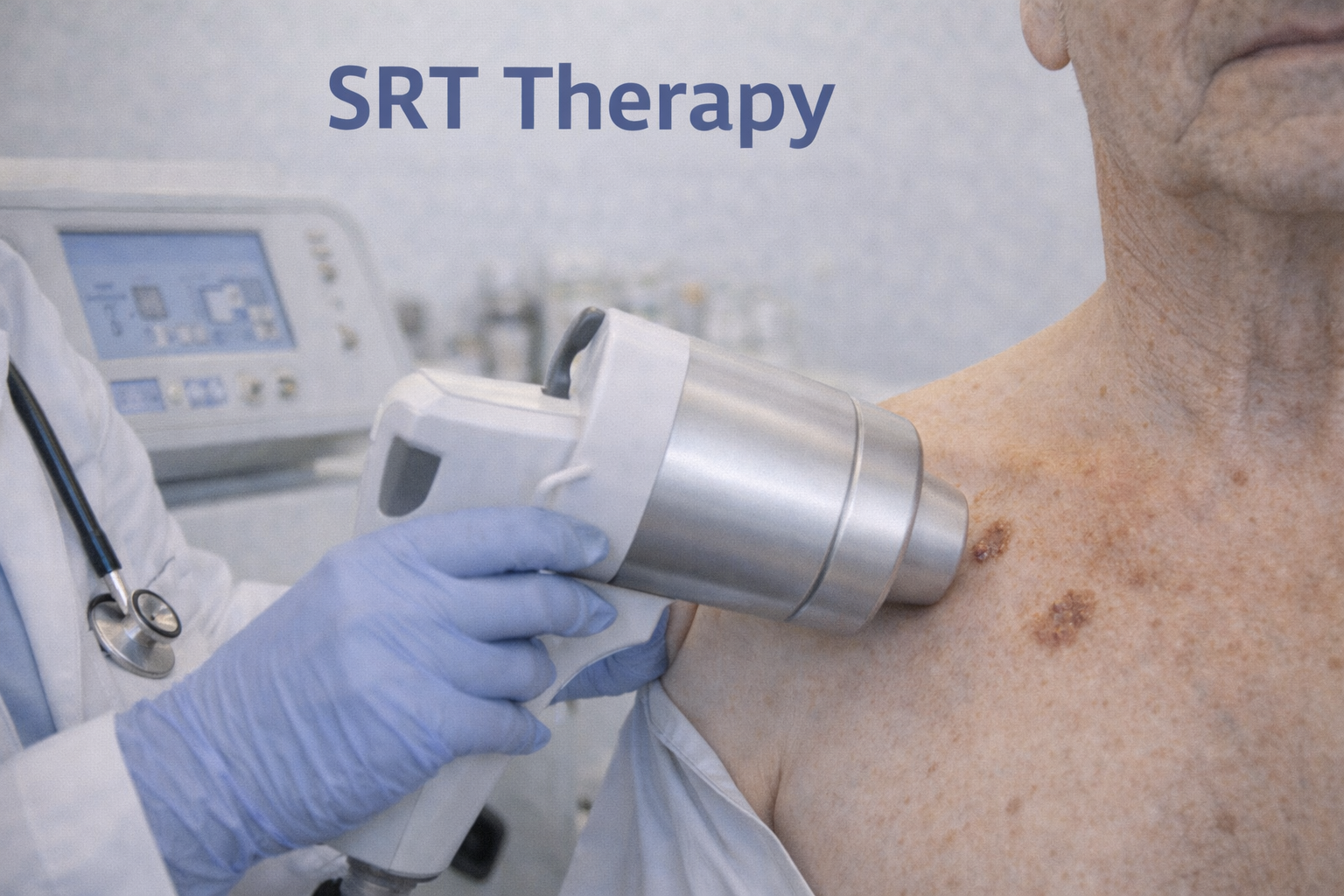
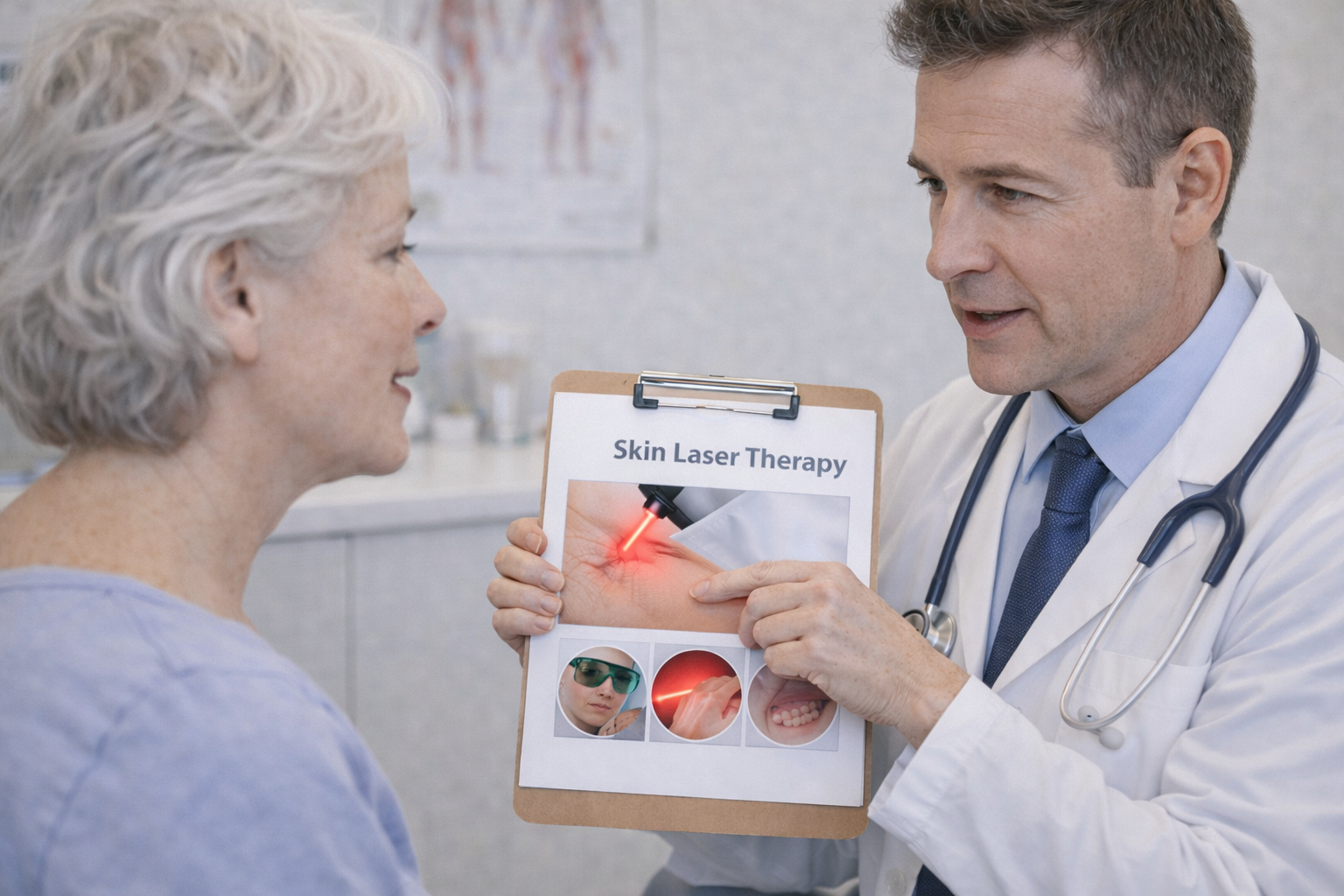
You may have heard that light is an effective acne treatment. According to the AAD, laser and light therapy can reduce acne. The results vary among patients and these therapies rarely completely cure the condition.
Even though lasers and lights are common in-office acne treatments, these options aren’t the same as natural UV exposure. Light therapy uses blue or red wavelengths and not the ultraviolet (UV) rays of the sun. This means natural sun exposure, or a tanning lamp won’t provide the benefits of a doctor’s office light or laser treatment.
Should You Use Light to Treat Acne?
According to the AAD, research shows photodynamic light therapy can reduce acne by 72 percent after 12 weeks of treatment. If you want to use this type of dermatologist in-office treatment, discuss the options with your doctor. But if you want to sun yourself outside or skip sunscreen in hopes your blemishes will disappear, stop before you start.
The sun is not a safe way to treat acne. Exposure to UV light can damage your skin and over time may lead to skin cancer. You should always wear broad-spectrum (UVA and UVB) sunscreen outdoors.
Do You Need Extra Outdoor Protection with Acne?
How can you protect your acne-prone skin? Adults or teens with acne may need to take extra steps to protect their skin from the sun. Not only does acne inflame and irritate your skin (potentially making sun exposure or sunburn feel worse), but some medications can increase the effects of UV rays.
Read the side effects of all medications you take and look for the word “photosensitivity.” This means the medication may make your skin more sensitive to the sun. Increased sun sensitivity makes it more likely you’ll burn in a shorter amount of time. Some people with photosensitivity may also develop serious burns or blisters.
Acne medications that may also lead to photosensitivity include select topical, oral, prescription, and over-the-counter acne treatment options. Common acne medications with this sun exposure side effect include topical retinoids, benzoyl peroxide, some antibiotics (such as doxycycline), isotretinoin, and alpha hydroxy acids.
If you choose to use any of these medications or take another medication that has a photosensitivity side effect, discuss additional ways to protect your skin with your dermatologist. Along with broad-spectrum sunscreen, you may need to stay out of the sun as much as possible or use protective clothing such as a broad-brimmed hat, long pants, and long-sleeved shirts.
What Type of Sunscreen Should You Use with Acne?
Some sunscreen lotions or creams may worsen acne. If the sunscreen aggravates your acne, talk to your dermatologist about gentle options. Oil-free sunscreens or products formulated for people with acne are alternatives to explore.
Along with an oil-free product, choose a sunscreen that has an SPF of 30 or higher and is sweat or water-resistant. Discuss proper skin care for acne and medication application before you use sunscreen. Your doctor may want you to wait to apply sunscreen for a specific time period after you use a topical acne treatment.
This doesn’t mean you should go out of the house without sunscreen. Instead, you should apply the topical treatment and stay indoors until it’s safe to add sunscreen on top.
Do you have acne? Contact Advanced Dermatology & Skin Cancer Specialists for more information.