Skin is not the same thickness all over the body. The skin on the eye lids, for example, is thinner than the skin on the palm of the hands or bottoms of the heel.
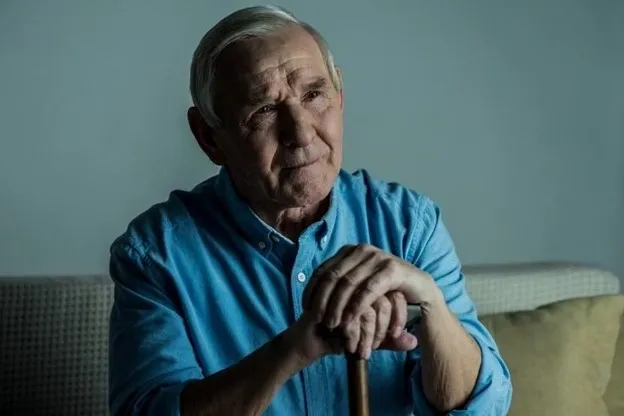
The thickness of your skin will not stay the same throughout your lifetime. Thinning of the skin is a natural part of life, but it can cause problems, especially in areas where the skin was already thinner and more fragile to begin with. Know the symptoms, causes, and how to prevent thin skin to help you take care of your body and avoid undesirable cuts.
How Can You Tell If You Have Thin Skin?
If you have thin skin, your skin will get cut and bruised easily. This may be a particular problem in parts of the body where the skin is thinner and the body regularly bumps things, like on the wrists and back of the hands. Sometimes it will seem like your skin just tears when it comes into contact with a sharp object or a pointed corner.
What Causes Thin Skin?
Thin skin can be caused by a variety of factors. The skin thins naturally with age. Some types of topical creams, like hydrocortisone cream, can also thin the skin. Frequent exposure to sunlight (UVA and UVB rays) can cause thin skin, as can smoking.
What Can You Do to Prevent Thin Skin?
Although thinning of the skin is a natural occurrence, you can do many things to prevent the skin from becoming overly thin with age.
Protect From the Sun
Wearing sunblock and protecting the skin from the sun can help. People who work outdoors should wear wide-brimmed hats and protective clothing whenever possible.
Stop Smoking
Stopping a smoking habit can help as long as it’s done on time. The sooner this is done, the better. After a lifetime of smoking, the damage may already be done.
Review Your Habits with Your Doctor
If you regularly use hydrocortisone cream to treat a skin condition, you could be thinning your skin. Talk to your doctor to ensure that they know you’re using this cream. Your doctor may be able to offer some treatment alternatives that can meet your needs while protecting your skin from unnecessary thinning.
How Can You Protect Your Thin Skin?
Thin skin breaks open easily, especially when it’s dry. Moisturize your skin on a regular basis with good-quality lotions. Avoid taking very hot showers, and stay hydrated.
When going outside, wear sunblock and protective layers of clothing. Even when not going outside, wear long sleeves to protect your skin from scratches and other damage.
Once Your Skin Has Thinned, Can It Be Reversed?
Once thin, the skin does not grow back and becomes thicker. The best way to protect your skin from becoming undesirably thin is to take steps to prevent it before it happens. If you make lifestyle choices or take medications that are known to thin your skin, talk to your doctor for treatment and suggestions.
When Should You See a Doctor?
In general, thin skin is not a condition that needs to be treated by a doctor. However, if your skin is very dry, uncomfortable or tears open very easily, talk to your doctor to discuss possible prevention of injuries and itching. Your doctor may be able to prescribe certain creams to lock in moisture. Your doctor may also have suggestions that can help you avoid injuries.
At Advanced Dermatology & Skin Cancer Specialists, we’re happy to answer patient questions about skin aging, thin skin, excessive bruising, cuts, and other problems that people may experience with their skin. To find out more, call today to schedule a consultation.