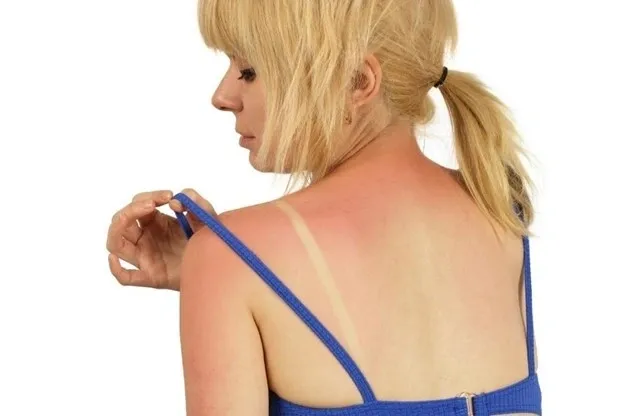
Exposure to the sun’s ultraviolet (UV) rays can result in serious skin damage. Even though you try to stay out of the sun and protect your skin with a broad-spectrum SPF most of the time, sometimes a burn can still happen. If your best efforts fail, take a look at the dos and don’ts of treating sunburn.
Do Call the Dermatologist The dermatologist is ready to answer your questions. While a minor sunburn may not require medical attention, a severe burn might. Contact the doctor if:
- You have unanswered questions. There’s no such thing as a foolish question when it comes to your health. If you’re not sure whether your sunburn requires medical care or how you can alleviate the pain, ask the doctor.
- You have blisters. While redness and peeling are often normal with a sunburn, blisters can point to a more severe issue that requires medical treatment—especially if the blisters cover a sizable area.
- You have a fever. Like blisters, fever is not a normal part of a sunburn.
- You have dizziness, nausea, or chills. These symptoms may indicate a severe burn and the need for immediate medical treatment.
- You have oozing or pus-filled blisters. These symptoms may signal a skin infection.
- You have pain that doesn’t resolve. Constant or persistent pain is a sign that you need further evaluation by a healthcare professional.
The sooner you get help and the right treatment, the sooner your burn can heal. This means calling the doctor’s office as soon as you notice serious symptoms. Serious symptoms, such as high fever or severe blistering, require immediate (and possibly emergency) attention.
Don’t Let Your Skin Dry Out Sunburn often results in dry skin and peeling. Help to counteract uncomfortable drying symptoms with a soothing moisturizer. Before slathering on your favorite lotion:
- Talk to the doctor. The dermatologist can recommend a lotion that works with your individual needs.
- Try aloe vera. Aloe vera is a plant with natural healing properties. Along with healing minor irritations, aloe can moisturize the area.
- Skip scented lotions. Lotions with artificial scents or dyes can irritate your sensitive sun-scorched skin.
Repeat your moisture routine as needed—especially if you bathe or your clothing rubs the lotion away from your skin.
Do Take a Cool Bath While a nice cool soak won’t reverse the effects of a sunburn, it may help to relieve some of the discomforts. When taking a bath:
- Skip the suds. Adding a fragrance-filled bubble bath to your soak could irritate your sensitive skin.
- Keep the water cool. Avoid a hot bath. This could dry your skin additionally.
- Pat your skin dry. When you get out of the tub, don’t rub your skin dry. The friction from the towel can add to the irritation. Instead, gently pat your skin.
A cool shower can also soothe your sunburn. If you don’t have a bathtub or don’t like taking baths, try the shower instead. Even though a cool rain of water can stop some of the burnings, a hard pelting from a high setting can add to the discomfort. Set the showerhead on low or gently before stepping under the water.
Don’t Skip the Sunscreen Preventing another burn is absolutely essential—when it comes to helping your skin heal and protecting it from future damage. Before going back into the sun:
- Choose a broad-spectrum sunscreen. The sunscreen should protect you against UVA and UVB rays and come with an SPF of 30 or higher.
- Use enough sunscreen. Cover all exposed skin with the equivalent of a one-shot glass full of sunscreen. Reapply the product every two hours or after swimming/sweating.
- Wear protective clothing. If sunscreen irritates your newly burned skin, wear protective clothing or stay out of the sun entirely.
Along with using sunscreen, cover your head with a hat, wear sunglasses, and protect your lips with a product containing SPF.
Do you need a doctor’s help with healing from sun damage? Contact Advanced Dermatology and Skin Care Specialists for more information.