According to Medical News Today, an astounding 6.8 million people in America suffer from alopecia areata, which is a form of hair loss. The condition affects both men and women of varying ages, although most cases are reported to occur before the age of 30.
It is helpful to fully understand alopecia areata, should you or someone you know begin to show symptoms of it. Below is some helpful information about the condition, including symptoms and treatment options.
Causes
Alopecia areata is an autoimmune disorder in which a person’s red blood cells begin to attack their hair follicle cells. This can slow the growth of the hair or stop it from growing at all. In some cases, alopecia areata is hereditary. It is estimated that one out of every five cases involves an individual who also has a family member with the condition.
Because alopecia areata is an autoimmune disorder, it is often seen in patients who have been diagnosed with other autoimmune disorders, such as diabetes, thyroiditis, and atopy. It is not currently known why the body attacks itself in this manner. It has been proven, however, that stress is not the cause.
Symptoms
Unlike other forms of hair loss, alopecia areata is fast acting and occurs in just a few short days. Because it shows up as circular patches of missing hair, it is sometimes referred to as spot baldness. Each of the spots tends to be about the size of a coin, and they are typically found on the scalp, although it is possible to find alopecia areata spots anywhere on the body where there is hair.
Individuals may also discover that their fingers and toenails appear to have tiny pinholes in them or that their nails have an abnormal color or shape.
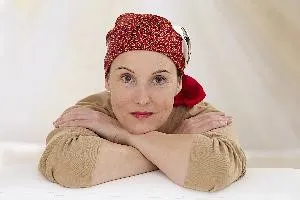
It is important to note that alopecia areata is not contagious and does not lead to any other illnesses. The bald spots are not painful and they do not itch. The condition will not interfere with school, work, or community involvement. Some people begin to feel unattractive and, as a result, decide to wear hats or purchase a wig until the patches of missing hair grow back.
Diagnosis
Although a dermatologist may be able to diagnose a person’s alopecia areata simply by examining the scalp, he or she may also wish to run a few tests. First, the doctor may tug at a few of the hairs near the bald spot and then examine them under a microscope. This is called a hair analysis. Next, the dermatologist may order some blood work to check for things like an overactive or underactive thyroid.
Treatment
Fortunately, individuals who suffer from alopecia areata do well with treatment. In fact, 90 percent are able to fully regrow their hair in just a few years. The main treatment for this condition is corticosteroids, which can be given in pill form, as a topical cream, or in a series of shots. The steroids work to stop the immune system from halting the regrowth of hair.
A few other courses of treatment that are sometimes prescribed include prescription hair regrowth medication and phototherapy or light treatments. Your doctor will know which method of treatment is best for you based on your medical history and how mild or severe your case of alopecia areata is.
If you’re suffering from hair loss, Advanced Dermatology & Skin Care Specialists can determine if the cause is alopecia and then create a treatment plan. We have six offices throughout Southern California for your convenience, and our experts also offer services for everything from acne to eczema to cosmetic dermatology. Contact us today to learn more.