Trust in medical care does not appear overnight. It grows through consistency, thoughtful decisions, and methods that respect both science and the human body. When you look at skin cancer care today, you notice a steady shift toward treatments that balance precision with comfort. Patients want options that feel controlled, measured, and considerate of long-term skin health. Clinicians, meanwhile, look for approaches that fit evolving standards without adding unnecessary complexity.
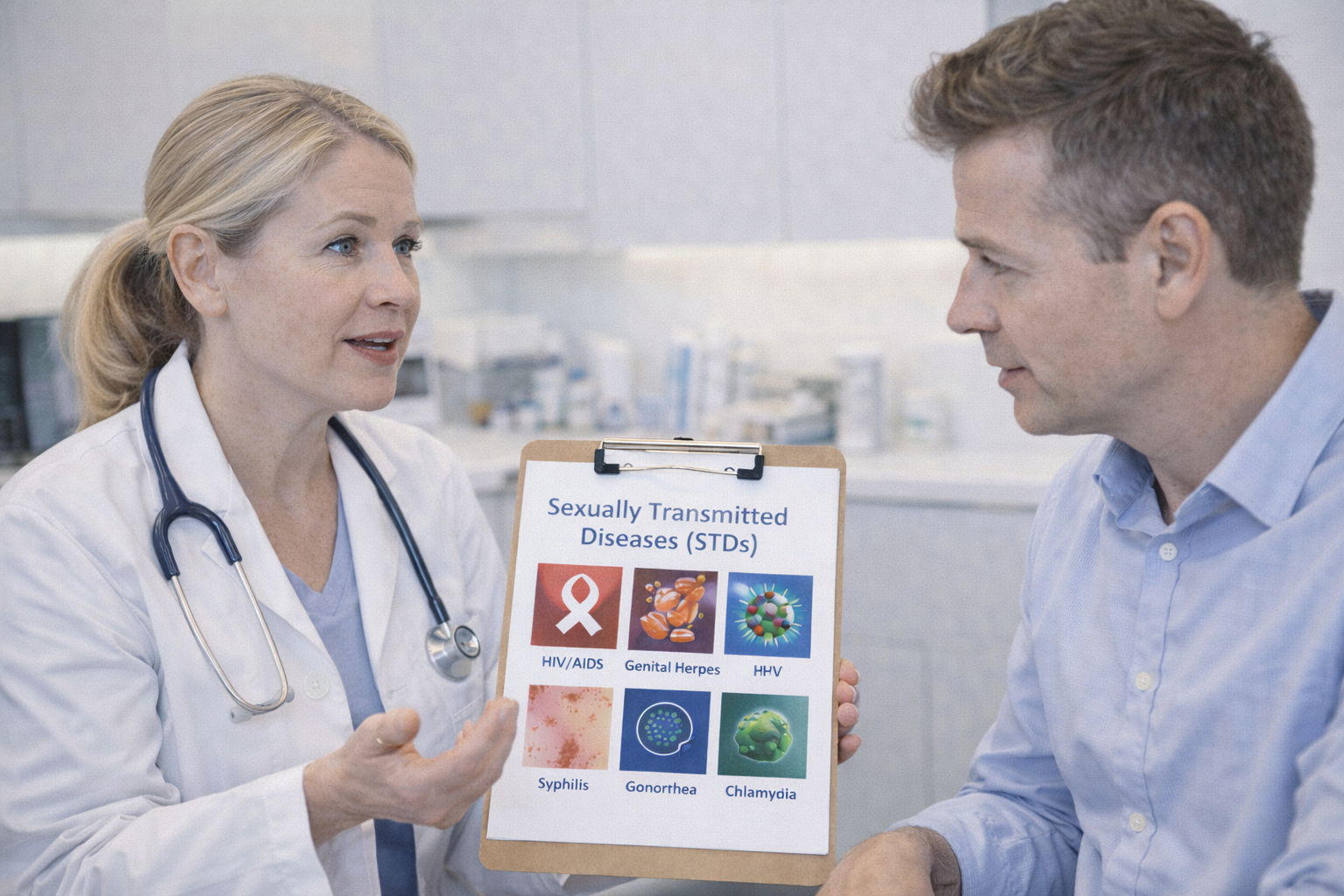
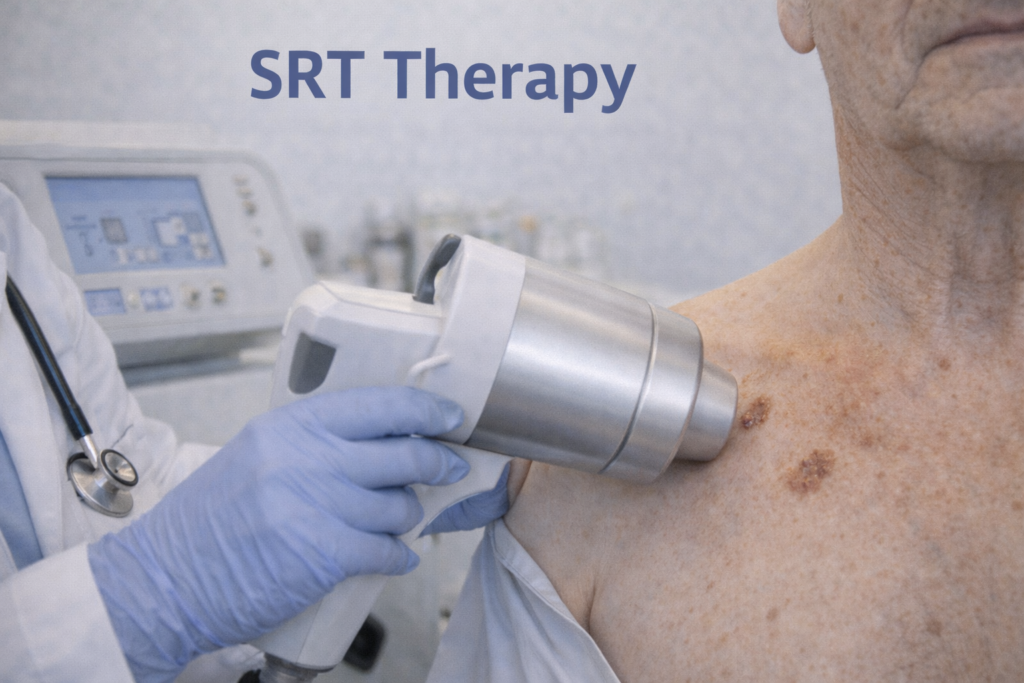
This is where SRT therapy for skin cancer enters professional conversations. It has quietly earned confidence, not through hype, but through careful use and steady observation. As you explore why this method gained clinical trust, it helps to understand how it aligned with broader dermatologic care trends, including patient-centred planning and non-invasive thinking. Even in practices that also manage conditions like Genital Warts Treatment Southern California, the same principles of precision and discretion matter.
Why did precision become central to skin cancer care?
Modern dermatology moved away from one-size-fits-all solutions. You now expect care that respects skin depth, location, and healing patterns. Precision has become essential because skin cancer often appears in visible or sensitive areas where preserving structure is crucial.
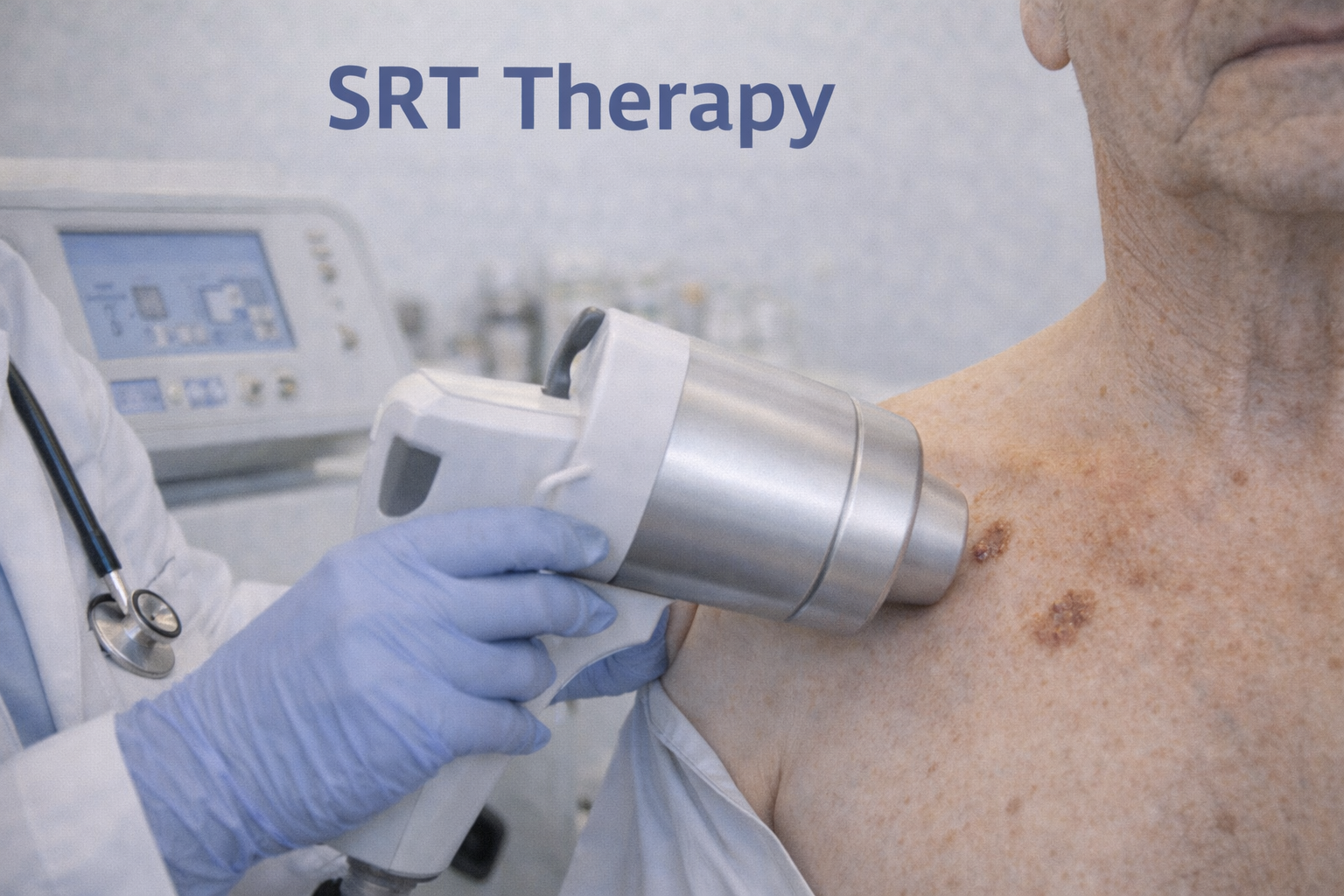
SRT therapy for skin cancer addressed that shift by offering controlled energy delivery with defined margins. Clinicians trust it because it allows thoughtful planning rather than rushed intervention. Over time, this precision mirrored how other dermatological treatments evolved, including targeted care approaches used in Genital Warts Treatment in Southern California, where accuracy directly affects outcomes and patient comfort.
You could see how careful calibration reduced uncertainty. The method fits into workflows without overwhelming staff or patients. That consistency supported trust, especially as dermatology increasingly valued predictable processes over aggressive ones.
How did patient comfort influence clinical confidence?
Comfort is no longer a secondary concern. It directly affects adherence, follow-up, and overall experience. When patients feel heard and respected, treatment plans hold stronger ground.
With SRT therapy for skin cancer, clinicians noticed how well it aligned with patients’ expectations for gentler care. Sessions were structured, predicated, and allowed you to maintain daily routines with minimal disruption. This mirrors expectations seen in other sensitive dermatologic services, including Genital Warts Treatment in Southern California, where discretion and emotional ease play major roles.
Over time, comfort translated into trust. Patients asked informed questions and stayed engaged. Clinicians valued that cooperation. As a result, confidence in this therapy grew not just from clinical logic, but from real human responses observed day after day.
What role did technology maturity play in acceptance?
New technology often faces scepticism. Early versions raise questions. Mature systems, however, earn respect through stability. By the time SRT therapy for skin cancer became more widely discussed, its supporting technology had already evolved.
You saw clearer protocols, refined equipment, and better integration into clinical settings. This maturity reduced uncertainty for providers. It felt less experimental and more like a reliable option within a broader toolkit. Similar patterns appeared in treatments unrelated to cancer, such as Genital Warts Treatment in Southern California, where technological refinement improved trust over time.
The availability of planning tools and standardized guidelines also mattered. Clinicians trusted what they could measure and repeat. That predictability strengthened acceptance across different practice environments.
How did flexibility support long-term trust?
No two patients are identical. Trust grows when a treatment adapts rather than forces conformity. Flexibility allowed clinicians to tailor care while staying within safe frameworks.
SRT therapy for skin cancer offered that adaptability. You could adjust treatment depth and scheduling based on individual needs. This approach reflected a broader dermatologic mindset that also shaped services like Genital Warts Treatment Southern California, where customization often defines quality care.
Flexibility also meant smoother collaboration among care teams. Dermatologists, technicians, and support staff could align more easily. That harmony reduced friction and reinforced confidence in the method’s long-term role.
Why did professional experience outweigh marketing claims?
Clinical trust rarely comes from promotional language. It grows from shared experience, peer discussion, and reflective practice. Providers paid attention to what colleagues observed, not what brochures promised.
As SRT therapy for skin cancer continued to be used, discussions became more grounded. Clinicians talked about planning, patient communication, and workflow integration. These practical insights resonated more than abstract claims. The same pattern appeared in conversations around Genital Warts Treatment in Southern California, where professional insight guided decision-making.
You could sense a shift. The therapy stopped being “new” and became familiar. Familiarity, when paired with responsible use, often becomes trust.
How did accessibility shape patient perception?
Access not only gives me availability. It also includes clarity and ease of understanding. Patients felt more comfortable when care options were explained without jargon.
Clinicians using SRT therapy for skin cancer often emphasize education. You learned what to expect, how sessions unfolded, and why timelines mattered. That transparency reduced anxiety. It mirrored educational approaches used in Genital Warts Treatment in Southern California, where understanding the process often eased emotional stress.
Some patients even searched for SRT skin cancer treatment near me, not because of advertising, but because they wanted care that felt approachable. Accessibility in communication reinforced credibility on both sides.
How did outcomes influence future expectations?
Trust shapes future choices. When clinicians observed a steady pattern over time, confidence naturally progressed. Expectations evolved, not because of dramatic claims, but because experience supported them.
You could see how SRT therapy for skin cancer fits into longer-term planning conversations. Providers discussed follow-up, skin monitoring, and patient education as part of an ongoing relationship. This future-oriented thinking aligns with evolving dermatology standards, including services such as Genital Warts Treatment in Southern California, where continuity matters.
Patients also adjusted expectations. They became more informed, asked better questions, and felt empowered. That shared understanding strengthened the therapy’s place in clinical practice.
Conclusion
Clinical trust is rarely about one breakthrough moment. It develops through alignment with values, careful use, and respect for patient experience. Over time, SRT therapy for skin cancer earned confidence because it supported precision, comfort, and thoughtful planning without demanding attention. As dermatology continues to evolve, approaches grounded in balance will shape future care. At Advanced Dermatology & Skin Cancer Specialists, that forward-looking mindset continues to guide responsible dermatologic decisions, alongside related services such as SRT skin cancer treatment near me.
Thoughtful Next Steps for Your Skin Health
If you value care that prioritizes clarity, comfort, and modern dermatologic thinking, learning more can feel empowering. A focused conversation helps you understand how different treatment paths may align with your skin health goals. Call us at [(760) 564-8200]
FAQs
Why does SRT therapy for skin cancer feel less overwhelming to patients?
The approach focused on structured sessions and clear explanations. This helped you understand each step without feeling rushed, reducing emotional stress and supporting a calmer treatment experience.
How often was SRT therapy for skin cancer discussed in dermatology planning?
It appeared regularly in planning conversations because it aligns with non-invasive strategies. Clinicians valued how it integrated into long-term care discussions without disrupting existing workflows.
Did clinicians compare this therapy with other dermatologic services?
Yes. Providers often compare planning principles with services like Genital Wart Treatment in Southern California, noting shared values such as discretion, precision, and patient education.
Why did patients search for SRT skin cancer treatment near me?
Many patients wanted care options that felt accessible and well-explained. Local availability paired with clear communication made the therapy feel more approachable.
Does clinical trust influence future skin care choices?
Absolutely. When trust forms, you feel more confident discussing preventive care, monitoring, and related treatments with your provider, which helps shape a more informed long-term skin health plan.