Skin cancer is the most common cancer worldwide, and while surgery has long been considered the standard treatment, modern technology has introduced effective non-surgical options. One of the most trusted alternatives is Superficial Radiation Therapy (SRT), a precise, non-invasive treatment designed specifically for certain types of skin cancer.
Below, we explain what SRT is, how effective it is, which skin cancers it treats, recovery expectations, possible side effects, and answers to frequently asked questions.
What Is SRT (Superficial Radiation Therapy)?
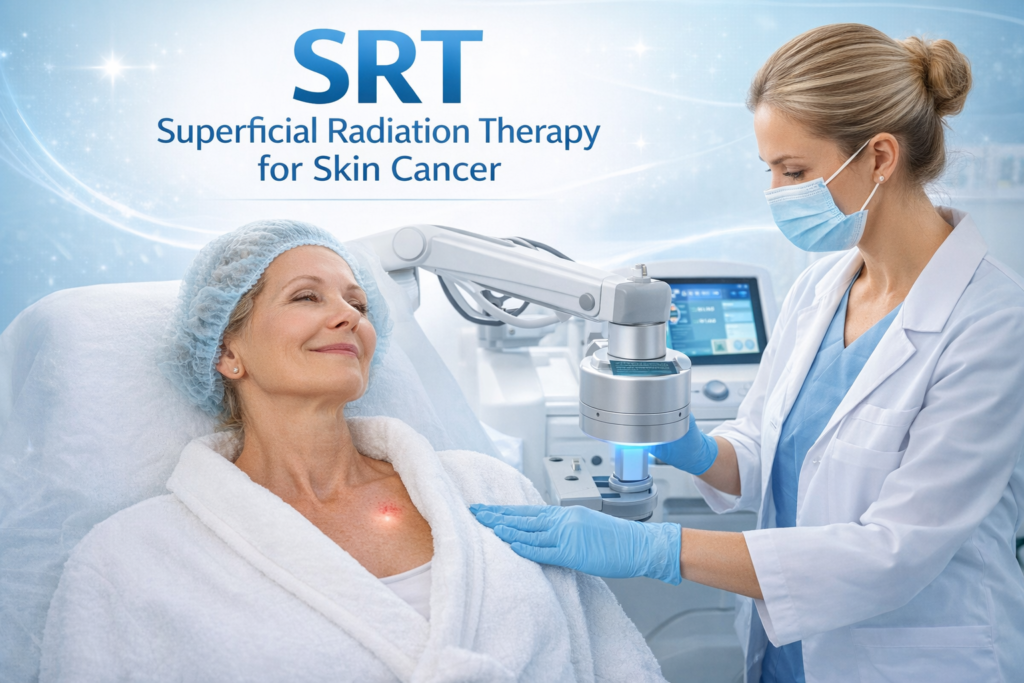
Superficial Radiation Therapy (SRT) is a non-surgical skin cancer treatment that uses low-energy X-rays to target and destroy cancer cells located in the upper layers of the skin. Unlike traditional radiation therapy used for internal cancers, SRT penetrates only a few millimeters deep, making it ideal for surface-level skin cancers.
SRT is painless, does not require anesthesia, and preserves surrounding healthy tissue, resulting in excellent cosmetic outcomes — especially in visible areas such as the face, ears, nose, scalp, and hands.
How Effective Is SRT for Skin Cancer?
SRT is a highly effective skin cancer treatment with long-term success rates comparable to surgery for appropriate cases.
- Cure rates often exceed 95% for eligible non-melanoma skin cancers
- Proven effectiveness for patients who are not surgical candidates
- Excellent cosmetic results with minimal scarring
- Effective for both primary and recurrent skin cancers
Because SRT treats cancer cells gradually over multiple sessions, it allows healthy skin to heal naturally throughout the process.
What Types of Skin Cancer Can Be Treated with SRT?
SRT is most commonly used for non-melanoma skin cancers, including:
✔ Basal Cell Carcinoma (BCC)
- The most common type of skin cancer
- SRT is especially effective for BCCs in cosmetically sensitive or hard-to-treat areas
✔ Squamous Cell Carcinoma (SCC)
- Suitable for early-stage or superficial SCC
- Often recommended when surgery is not ideal
✔ Squamous Cell Carcinoma in Situ (Bowen’s Disease)
- Cancer confined to the top layer of skin
- SRT offers excellent cure rates without surgery
⚠ Important: SRT is not typically used to treat melanoma, which is generally treated with surgical excision and additional medical management.
What Is the Recovery Time After SRT?
One of the biggest benefits of Superficial Radiation Therapy is minimal downtime.
- Treatments are usually scheduled 2–5 times per week for several weeks
- Each session lasts only a few minutes
- Patients can return to work and daily activities immediately
Healing continues gradually after treatment is completed. The treated skin typically improves over the next several weeks to months, often leaving minimal visible evidence of treatment.
What Are the Side Effects of SRT?
SRT is generally very well tolerated. Most side effects are mild, localized, and temporary, including:
- Redness or irritation at the treatment site
- Dryness, flaking, or mild peeling
- Temporary skin darkening or lightening
- Mild tenderness or sensitivity
Serious side effects are rare. Your provider will monitor the treated area closely throughout therapy to ensure proper healing and optimal results.
Frequently Asked Questions (FAQs)
❓ Is SRT painful?
No. SRT is completely painless. Patients feel no heat, discomfort, or sensation during treatment.
❓ How long does SRT treatment take?
Each treatment session typically lasts 5–10 minutes, with the radiation exposure itself lasting only seconds.
❓ Will I have a scar after SRT?
SRT is known for excellent cosmetic outcomes. While some temporary skin changes may occur, visible scarring is uncommon compared to surgery.
❓ Who is a good candidate for SRT?
SRT is ideal for patients who:
- Prefer a non-surgical skin cancer treatment
- Have medical conditions that make surgery risky
- Have skin cancer in cosmetically sensitive areas
- Have recurrent skin cancer after previous surgery
❓ Is SRT safe for older adults?
Yes. SRT is especially popular among older patients because it is gentle, non-invasive, and requires no anesthesia or recovery downtime.
❓ Does insurance cover SRT?
In many cases, SRT is covered by insurance, including Medicare, when medically indicated. Coverage varies, so verification is recommended.
Final Thoughts
Superficial Radiation Therapy (SRT) is a proven, safe, and effective non-surgical treatment for skin cancer. With high cure rates, minimal side effects, and excellent cosmetic results, SRT continues to be a trusted option for patients seeking an alternative to surgery.
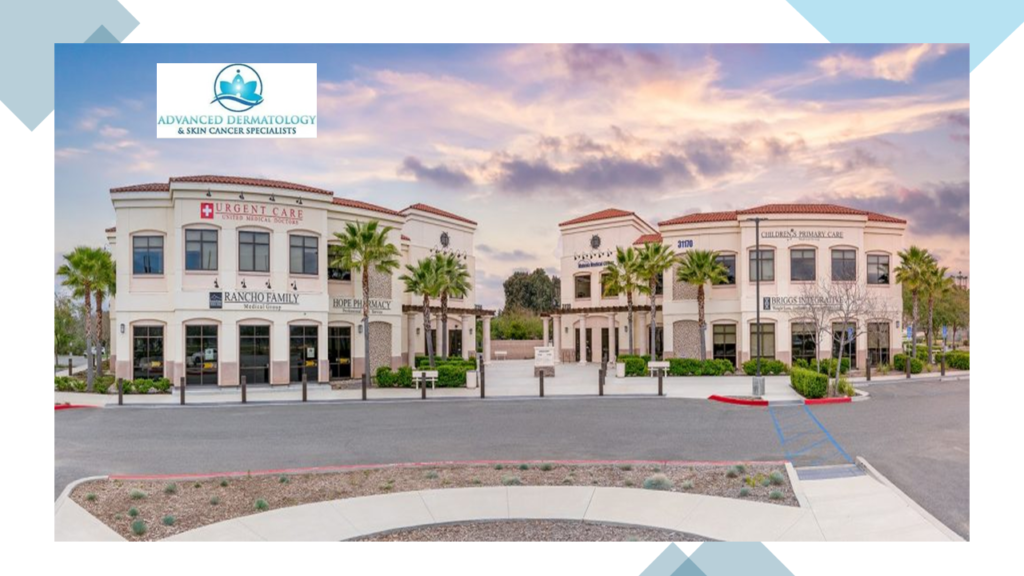
At Advanced Dermatology & Skin Cancer Specialists, we are at the forefront of dermatological technology, helping our patients achieve the best skin ever! If you have a skin abnormality, don’t wait or hesitate, contact our nearest office and get checked today!