
Understanding Skin Ulcers
You may have heard of ulcers before, and while they are commonly associated with the digestive system, ulcers can also present on the skin for a few different reasons. Skin ulcers can be notoriously difficult to treat, especially if your body heals slowly from diabetes or a similar condition. If you would like to learn more, keep reading.
What Causes Skin Ulcers?
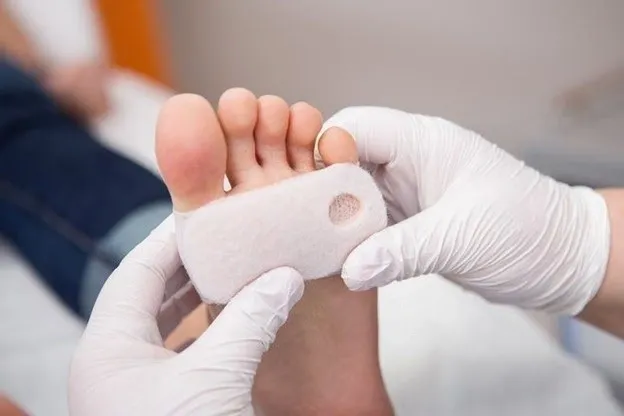
An ulcer is an open sore that exposes the underlying skin tissue. They tend to arise for two reasons: poor circulation and pressure. If you have poor circulation, you may develop venous ulcers, arterial ulcers, or vasculitic ulcers.
Venous ulcers affect the legs and are common in people with varicose veins. Arterial ulcers, as the name suggests, affect the arteries. Vasculitic ulcers are also known as vasculitis and are caused by inflammation of the blood vessels. In addition, if you have poor circulation, injury to the skin could lead to an ulcer. This is more common in people with diabetes or other conditions that cause slow healing.
Neuropathic ulcers are caused by problems with your nerves, and they affect your sense of touch. Because of this, you may not realize that something is irritating your foot, such as a tight shoe. These types of ulcers are more common in people with diabetes or nerve damage.
The last type of common ulcer is a pressure sore. They develop when continuous pressure damages the skin. This is more common in nursing homes with bedbound patients, especially if the staff neglects to rotate patients.
What Are the Complications of Skin Ulcers?
If you develop a skin ulcer, you may notice discoloration, itching, scabbing, swelling, pain, clear or bloody discharge, and a foul odor near the ulcer. If left untreated, however, more serious complications can arise. In particular, the ulcer can develop an infection.
Cellulitis is one type of infection, and it attacks the deep layers of the skin. If the infection is allowed to spread, it may reach bones or joints. In more severe cases, the infection may reach your bloodstream, leading to septicemia or blood poisoning, which is a life-threatening condition. In other cases, gangrene may set in, which kills tissue. If it spreads fast enough, you may need to have the tissue removed.
How Are Skin Ulcers Treated?
Ideally, your skin ulcer will heal on its own with at-home care. You want to clean the area and keep it bandaged while it heals. However, if you have an underlying condition that impedes healing, you may need medical attention.
If the ulcer is draining, the doctor may recommend leaving it uncovered, and if the ulcer is particularly painful, they may prescribe over-the-counter pain medicines. If there is a risk of infection, or an infection has started to develop, your doctor may also recommend a dose of antibiotics.
For larger ulcers, the dead tissue may need to be removed to promote proper healing, and if the wound still does not heal, a skin graft may be needed. In extreme cases, people with uncontrolled diabetes or similar conditions may need an amputation.
You will also need to treat any underlying issues that cause or worsen ulcers. For example, if you have uncontrolled diabetes, managing your blood sugar and weight can help prevent future ulcers from developing. Other ways to prevent ulcers include quitting smoking and exercising for better circulation.
Skin ulcers can usually be prevented, but many conditions make them hard to treat. If you fail to treat your ulcers, it can lead to infection. If you would like to learn more about skin ulcers and treatment options, contact us at Advanced Dermatology & Skin Cancer Specialists today.