To pop or not to pop? The American Academy of Dermatology (AAD) reports that acne impacts nearly 50 million people in the United States annually. If you’re one of the millions with this common skin condition, take a look at what you should know before you pop a pimple.
What Is a Pimple?
More specifically, is the bump or blemish on your face really a pimple? Before you leap to the to pop or not question, you need to know more about your skin, acne, and other potential problems. Pimples form when oil and dead skin plugs a hair follicle. The follicle bulges and the resulting blockage can promote bacteria growth.
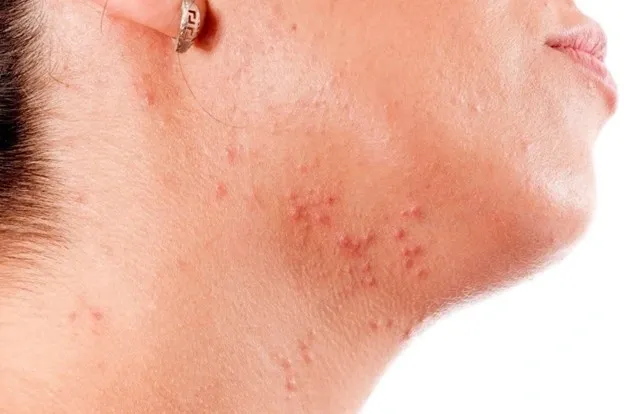
While most adults have dealt with pimples at some point, these skin blemishes may mimic other dermatologic conditions. A pimple:
· Doesn’t always look the same. Pimples come in many forms. These include whiteheads, blackheads, papules, pustules, nodules, and cysts.
· Can have a flesh color. Whiteheads, pustules, nodules, and cysts may appear as a noticeable bump with a flesh-toned color. As some of these developments, they may turn white or have a yellowish (pus) color.
· Can have a dark color. As the name implies, blackheads often have a black or dark color.
· Is elevated above the skin. Most pimples have a noticeable bump or elevation above the skin.
Some pimples are solid and hard, while others are softer and may ooze or seep liquid. The variety of pimple types makes it important to get a professional diagnosis — especially if you have multiple blemishes, a persistent issue, pain or discomfort, or any other symptom of concern.
What Happens If You Pop a Pimple?
Do you have a pimple? Has the dermatologist ruled out an allergic reaction, dermatitis, or other skin condition? If you know what you’re dealing with, can you go ahead and pop the pimple?
Stop before you pop. Even though squeezing a liquid or pus-filled pimple might seem to alleviate the pressure and reduce the discolored bump on your face, this common zit-busting strategy can:
· Scar your skin. Like other cuts or breaks in your skin, a popped pimple can result in a permanent scar.
· Stop the healing process. When you squeeze or pop a pimple, you stop the healing process. This interferes with your body’s natural ability to reduce swelling and redness. This can prolong the life of your pimple.
· Clog your pores. A pimple is already a clogged pore. When you squeeze a pus-filled blemish, you could force the debris deeper into your skin. This can increase inflammation.
Along with these issues, you could also introduce an infection into your skin. Bacteria on the finger or under the nails can go into the open top of a pimple that you’ve popped. This can cause swelling, redness, or additional infection.
What Else Can You Do About Pimples?
You likely don’t want a permanent scar, a larger or more persistent pimple, or an infection. But you also probably don’t want to leave the blemish (or multiple blemishes) as is. Do you have alternatives to popping a pimple?
Instead of a strong squeeze, contact the dermatologist. Acne is a treatable skin condition. To reduce the appearance and occurrence of pimples, the dermatologist will:
· Evaluate the acne. Do you only have a few nuisance pimples, or do you have a more serious skin condition? The doctor will examine your skin, take a medical history, and diagnose acne (or another issue).
· Create a treatment plan. The treatment for acne depends on the severity of the condition, other methods you’ve tried unsuccessfully in the past, your overall health, and personal preference. Common treatments include topical retinoids, benzoyl peroxide, hormonal therapy (for women), antibiotics, and other oral medications.
· Reevaluate your skin. The dermatologist will track your progress. If the treatment doesn’t help over time, the doctor may take another approach.
Talk to your doctor about your overall skincare routine. Along with topical or oral medications, the dermatologist may advise you to change your cleansing, toning, and moisturizing products.
Do you need a dermatologist’s evaluation? Contact Advanced Dermatology & Skin Care Specialists for more information.