Melasma is a skin condition that causes hyperpigmentation of the skin cells. It usually appears on the face, neck, chest, and hands and is sometimes referred to as the pregnancy mask, although it doesn’t only occur during pregnancy.
Melasma can affect men and women, but it is more commonly seen in women. Melasma is caused by both the sun and hot environments, so hot areas such as a sauna can cause your melasma to appear or worsen.
Read on for further information about melasma and how it can be treated.
What Does Melasma Look Like?
Melasma looks like brown patches on the skin. The condition can appear as a smaller spot or multiple spots, or it can be a large patch on the face that mimics a mask. These brown patches can sometimes appear to be almost gray in color as well.
The patches may fade over time, with hormone level changes, or after pregnancy. They may also darken in the summer months or worsen, depending on how much you are out in the sun and heat.
What Causes Melasma?
Melasma is usually caused by being in the sun without any protection from the sun’s harmful rays. It can also be caused by being in hot environments such as a sauna or gym. Even the heat of a kitchen can cause the condition to occur or worsen.
Fluctuations in hormones can also cause melasma. If you take birth control or have made changes to your birth control (such as increased hormone levels or decreased levels), your birth control could cause melasma to occur. Pregnancy may also be the reason for your melasma, as can perimenopause or menopause.
How Is Melasma Treated?
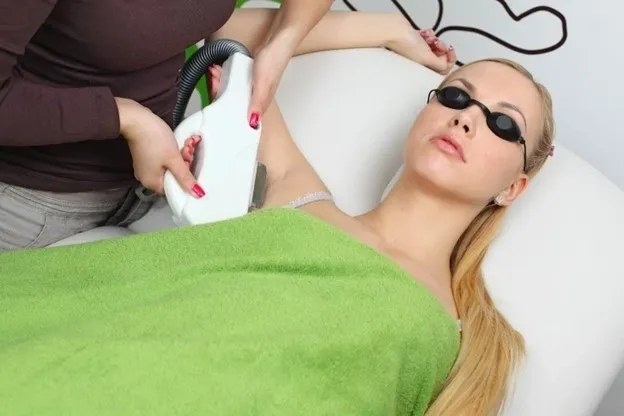
Melasma can be treated with bleaching creams (with a dermatologist’s prescription and supervision), or it may be treated using chemical peels, microdermabrasion, or with laser treatments. Unfortunately, melasma can be difficult to get rid of once it makes an appearance, but it should be treated to prevent skin cancer.
If you have seen melasma spots on your skin, be sure to make an appointment with a dermatologist to have your skin checked and to have treatment started. Depending on your melasma, you may only need a prescribed cream, but if your melasma is extreme, you may need laser treatments.
How Is Melasma Prevented?
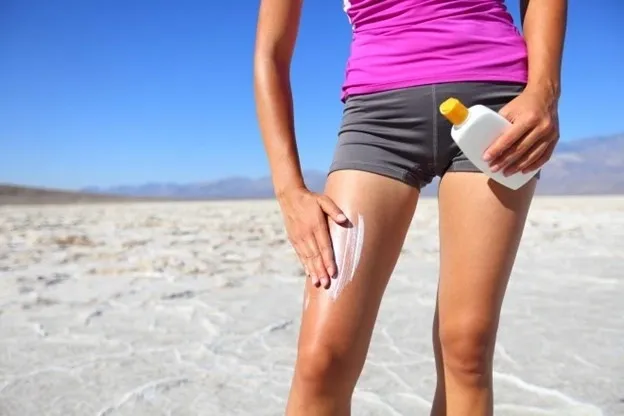
Melasma is usually caused by the sun’s harmful rays, so protecting your skin from the sun is essential. Wear sunscreen of at least SPF 50 each and every time you are in the sun. The sun’s harmful rays are present no matter what season, so wear sunscreen in both the summer and in winter months.
Anytime you are in the sun, sunscreen should be used on every part of the body that is exposed to the sun. Remember to apply sunscreen to your ears, nose, upper lip, chest, and hands — these are places you may forget to apply sunscreen. Reapply the sunscreen after sweating or swimming.
Avoid sun exposure as much as possible to prevent melasma, as well as other skin disorders such as skin cancer, premature wrinkles, moles, and hyperpigmentation. The sun’s rays are worse during the hours of 10:00 a.m. to 2:00 p.m., so avoid being in the sun during these times as much as possible.
Wear sunglasses and a hat to keep the sun off of your face, and use an umbrella or tent at the beach to shield yourself from the sun.
If you have brown patches on your skin that have suddenly appeared, make an appointment with a dermatologist at Advanced Dermatology & Skin Cancer Specialists for exams, diagnoses, and treatment options best suited for your skin. These spots can make you feel self-conscious about your skin and can lead to worsening issues.