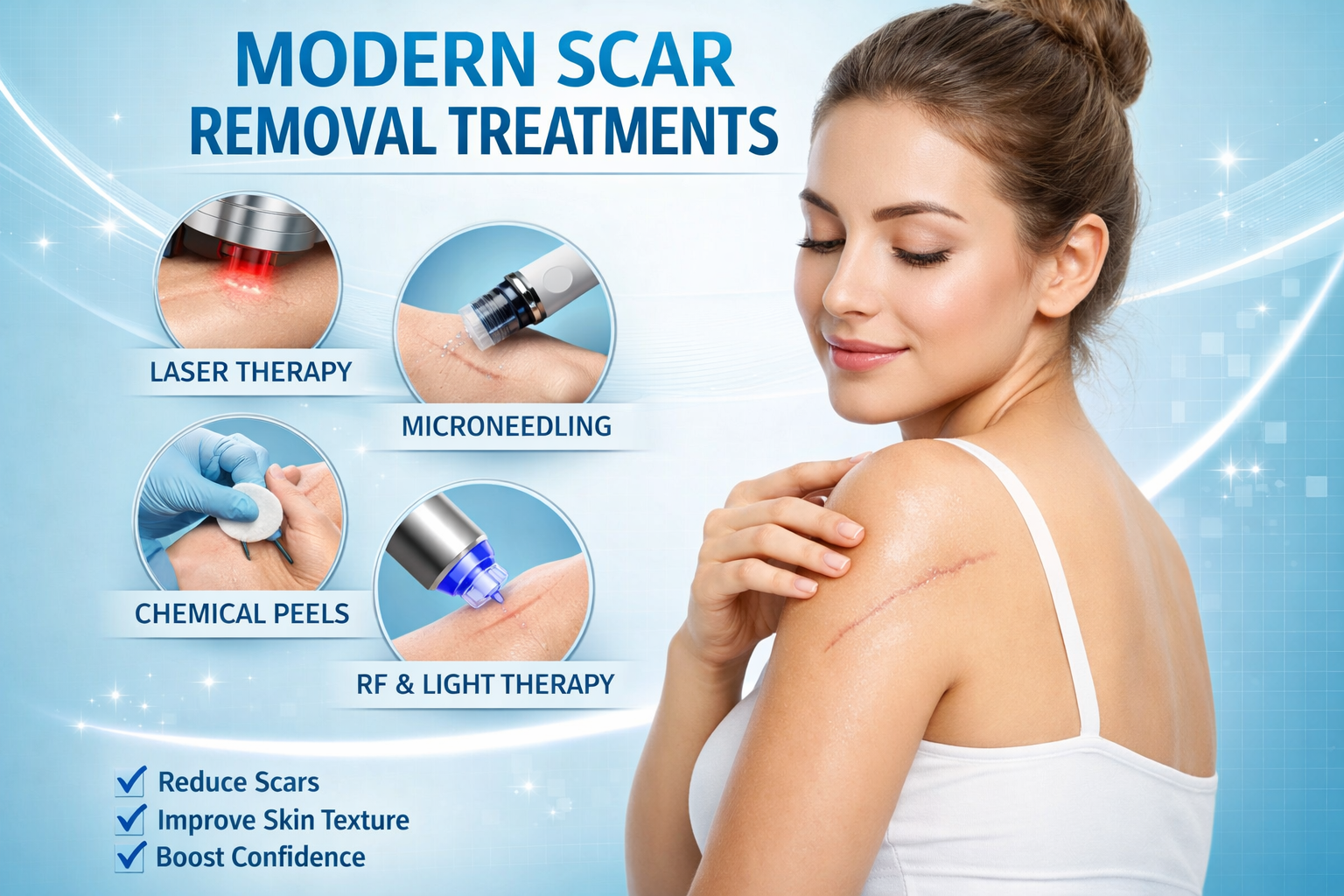
Modern skincare procedures have transformed how people deal with persistent marks and uneven texture. Today’s advanced methods allow specialists to target deeper layers of the dermis with greater accuracy than older procedures. When individuals explore Scar Removal Treatment, they often want to know how these solutions refine rough patches, correct tonal irregularities, and stimulate cellular renewal.
Each method is designed to address different scar types while enhancing the skin’s long-term resilience. As you move through this guide, you will see how technology, technique, and medical insight combine to create smoother, healthier-looking skin without relying on overly aggressive interventions.
Understanding What Affects Skin Texture
Skin texture changes when collagen fibers are disrupted after injuries, acne, surgeries, burns, or repetitive friction. Uneven healing creates raised, pitted, or discoloured patches. Modern dermatology evaluates scar depth, vascularity, and surrounding tissue response before recommending any therapeutic plan.
Advanced Dermatology & Skin Cancer Specialists often use multi-step assessments to determine whether surface renewal, collagen induction, or energy-based therapy will provide measurable improvement.
Key Advances Behind Modern Scar-Improving Procedures
1. Precision-Based Energy Devices
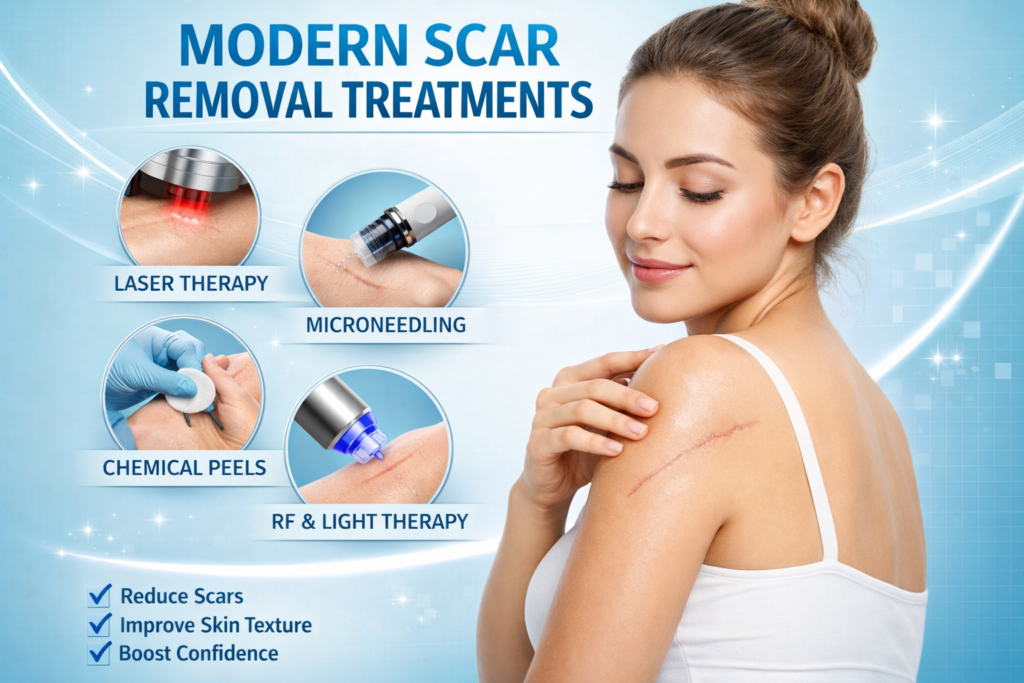
Laser systems, fractional radiofrequency, and controlled light platforms now produce microthermal zones that stimulate new collagen while minimizing tissue damage. These tools can be calibrated to target stubborn textural deformities without harming adjacent skin. Over several sessions, the dermis remodels itself, gradually smoothing irregular edges and improving tone uniformity.
2. Biostimulatory Support
Dermal remodelling agents have been formulated to activate fibroblasts. These boost collagen types I and III, both essential for refined surface texture. When combined with mild resurfacing, the regenerative process tends to accelerate. This dual-action strategy has been shown to increase elasticity, reduce visible roughness, and strengthen structural integrity.
3. Treatment Approaches for Secondary Conditions
Some individuals experience additional concerns, such as milium cysts, which form when keratin becomes trapped beneath the surface. In clinical settings, these can be addressed with sterile extraction or micro-resurfacing. Clearing them allows ongoing scar-focused procedures to work more evenly across the skin.
For patients dealing with complex medical needs, certain facilities integrate SRT treatment for skin cancer into broader care plans. While this therapy targets cancerous cells, the surrounding skin often responds with renewed collagen activity, which may indirectly contribute to improved surface quality when managed correctly.
How Do These Technologies Improve Texture?
Targeted Remodelling
Modern devices generate controlled micro-injuries that guide the skin through a predictable healing cycle. New tissue forms with smoother architecture, reducing the appearance of rough or uneven texture. Because each pulse or beam is mathematically measured, irregularities can be corrected with consistent results.
Enhanced Dermal Thickness
Repeated stimulation leads to gradual thickening of the dermis. Thicker dermal layers scatter light differently, reducing shadowing in pitted areas. This makes scars appear shallower and creates a more uniform finish.
Vascular Normalization
Some scars become reddish or inflamed due to dilated vessels. Energy-based systems neutralize excess vascular activity, minimizing discoloration and improving overall clarity.
Long-Term Structural Support
Patients often notice progressive refinement even months after the final session because collagen maturation continues. When Advanced Dermatology & Skin Cancer Specialists monitors these changes, results tend to remain stable for longer periods.
Who Benefits Most from Modern Techniques?
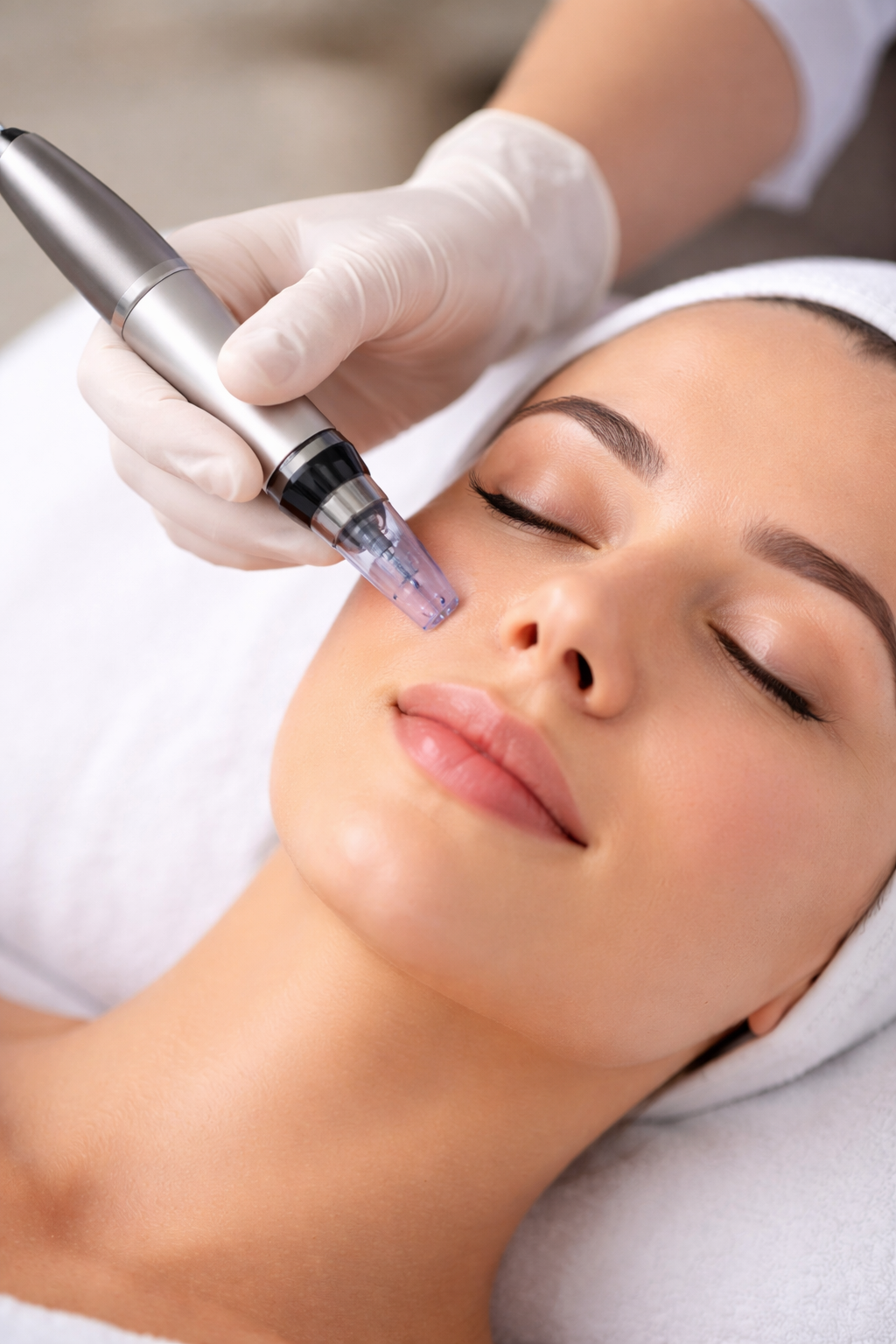
People with acne pits, surgical marks, burn-related stiffness, or textural inconsistencies typically respond well. However, the best candidates are those with realistic expectations and stable skin health. Since each scar behaves differently, treatment plans may include resurfacing, microneedling, chemical renewal, or combination protocols.
Treatment Process Overview
Consultation
A detailed evaluation identifies scar type, color, depth, and tissue reactivity. Medical history, pigment level, and previous procedures help determine the safest plan.
Procedure
Most procedures involve topical numbing. Devices are adjusted to match the skin’s density and sensitivity. Treatment usually lasts 15–40 minutes, depending on the area.
Recovery
Redness and warmth may appear temporarily. Patients are advised to follow strict post-care protocols to prevent irritation and ensure steady healing.
Expected Outcomes
Visible improvements may appear within weeks, though deeper textural enhancement continues over several months. The goal is gradual refinement rather than instant correction.
What Makes Modern Approaches More Effective?
Contemporary dermatology focuses on tissue biology rather than surface-only correction. Instead of simply removing damaged layers, today’s techniques influence cellular behaviour. This reduces downtime, increases precision, and helps maintain long-lasting improvements. When performed by experienced specialists, outcomes tend to be consistent, natural-looking, and tailored to individual scar patterns.
Conclusion
As skin-care science progresses, more people are turning to Scar Removal Treatment to refine surface irregularities and restore smoother contours. These methods combine regeneration, targeted energy delivery, and tailored strategies for different scar types. With the right plan, texture gradually improves while maintaining structural balance. If you want clearer, smoother skin with professional guidance, a consultation with Advanced Dermatology & Skin Cancer Specialists can help you determine which advanced options best suit your concerns.
Reach Us Today!
Smooth, refined skin is possible with expert care and technology-driven solutions. Connect with Advanced Dermatology & Skin Cancer Specialists to learn which treatment options match your goals. Call (951) 582-0644 to schedule an evaluation and begin your path toward better skin texture.
FAQs
1. How do modern procedures improve scar texture?
Modern systems stimulate controlled collagen regeneration, reorganize damaged fibers, and correct surface irregularities. Over time, the skin becomes smoother, firmer, and more even. These procedures typically work in progressive stages, allowing natural healing mechanisms to refine texture with minimal downtime.
2. Are milia cysts treated the same way as scars?
No. Milium cysts are managed through precise extraction or gentle resurfacing, depending on size and depth. Addressing them first helps create a clearer surface, which allows subsequent scar-focused treatments to produce more uniform and predictable results.
3. Can SRT treatment for skin cancer also improve texture?
SRT treatment for skin cancer primarily targets cancerous cells using low-dose radiation. However, the surrounding skin may respond with enhanced collagen activity. Dermatologists determine whether this secondary effect supports scar-related goals and how to integrate it safely into a broader treatment plan.