Does shaving make your delicate skin break out in bumps? If razor bumps have become part of your regular routine, take a look at what you need to know about this condition and the skin-saving solutions that can put an end to this dermatological dilemma.
What Are Razor Bumps?
You shave and moments or hours later mysterious red or pink bumps pop up on your skin. Before you can completely solve this skin sensitivity issue, you should understand what the bumps are.
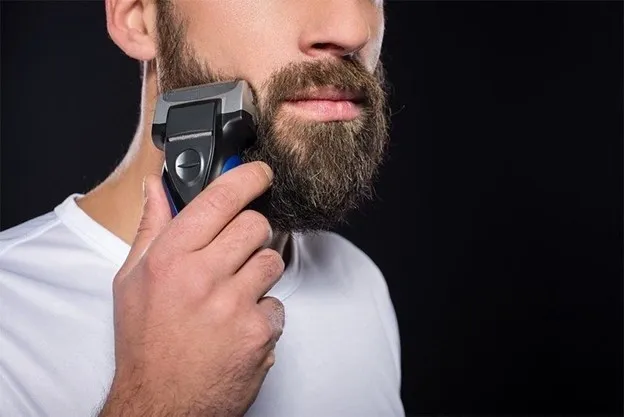
Formally termed pseudofolliculitis barbae, razor bumps are a common skin condition many men experience on the beard area. But men who shave their faces aren’t the only people who have this issue. Women may develop razor bumps in the bikini zone. Likewise, these bumps can pop up on the legs, armpits, or any other area people shave.
The bumps typically form when hairs grow back into the skin after shaving. They can also develop when the razor pulls on or tears the hair while shaving. This damage can result in irritated skin and the resulting bump.
Who Can Get Razor Bumps?
Razor bumps can affect anyone who shaves. No matter if you’re young or old or a man or a woman, if you use a razor, you can develop this dermatological issue.
Even though anyone who shaves can develop bumps, some people are more likely to experience this type of irritation. A genetic predisposition, dry hair follicles, sensitive skin, and coarse or curly hair can make it more likely you’ll have razor bumps.
Can You Prevent Razor Bumps?
You can’t change a genetic predisposition, skin sensitivity issue, or the type of hair you have. But you can take steps to reduce the risks and decrease the impact of shaving.
If razor bumps bother you, prevention strategies include:
- Add moisture. Moist hair follicles can reduce the likelihood of hair breakage and irritation. Avoid dry shaving and use a moisturizing shave gel or cream to soften the hair.
- Keep the area clean. Remove barriers to a smooth shave and avoid clogged pores. Gently clean the area you plan to shave with mild soap (choose a dye- and fragrance-free product) and warm water.
- Avoid harsh scrubs and skincare products. These products may damage the hair follicle or cause excessive irritation.
- Shave less often. Slightly longer hair may decrease the risks of ingrown hair.
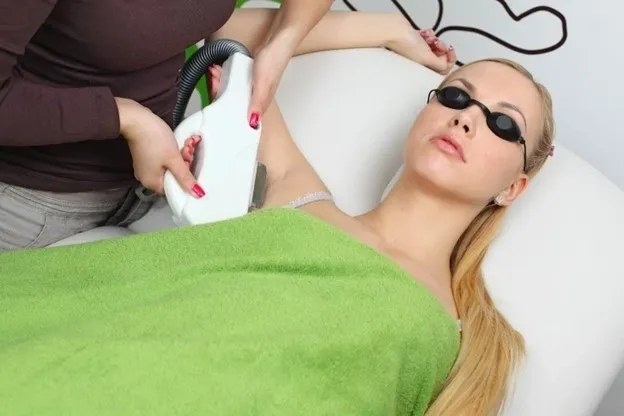
- Use an alternative method. Instead of shaving try waxing, electrolysis, or laser hair removal.
When prevention doesn’t work, you need another option. Read on for more information on what to do next.
Can You Treat Razor Bumps?
This condition isn’t just an aesthetic issue. The bumps can irritate the skin and even make activity or movement a challenge. If razor bumps get in the way of your daily life or cause discomfort, you can:
- Use warmth. Warm a washcloth with tepid tap water. Place the warm cloth on the area to soften the skin and hair follicles. This can coax the hair out. A warm bath or steamy shower may also help too.
- Use a soothing cream . If irritation from pulled or damaged hairs is itchy or red, a gentle dye- and fragrance-free cream or moisturizer may soothe the area.
- Use a mild exfoliator. If clogged hair follicles are at fault, a mild exfoliator can help. Use this strategy with caution — or ask the dermatologist before using it. An exfoliator can irritate sensitive skin or aggravate redness.
If at-home care doesn’t help, call the dermatologist as soon as possible. The doctor can evaluate the issue, diagnose razor bumps, and treat ingrown hairs.
Do you want to free yourself from razor bumps with laser hair removal? Do you need recommendations to treat existing bumps? Contact Advanced Dermatology & Skin Cancer Specialists for more information.