
Recipes for do-it-yourself skincare products are more available than ever thanks to social media accounts and beauty publications that focus on alternative methods for personal care. These sources often claim that these homemade solutions are better and safer than many store-bought products — and they’re not always wrong. Not all commercial skincare products are suitable for every person and every skin type, and some can exacerbate or cause various skin issues in some people.
However, though these recipes contain recognizable ingredients in doses you can measure by your own hand, they’re not always a suitable alternative to professional or over-the-counter products. Let’s take a look at some of the reasons you should avoid DYI skincare products.
They Don’t Contain Preservatives
A closer look at the ingredient list of many premade skincare products, including cleansers, moisturizers, and serums, lists water as the first or one of the primary ingredients. Because water invites microbes and bacteria to breed, these products must also contain preservatives to keep bad microorganisms at bay.
At-home skincare products that are formulated with water, or water-based ingredients such as fruit juices or brewed teas, can become breeding grounds for bacteria growth. If a bacteria-laden DIY solution makes contact with your skin, it can cause acne and other skin issues, which largely defeats the purpose of the solution itself.
Fortunately, many DIY products may be safe from harmful bacteria if they lack water or are made for a single occasion only, but caution must still be exercised to avoid ingredients that could introduce detrimental microorganisms to the most sensitive layers of your skin. If you’re not certain if something is safe, talk to your dermatologist.
They Can Cause Irritation
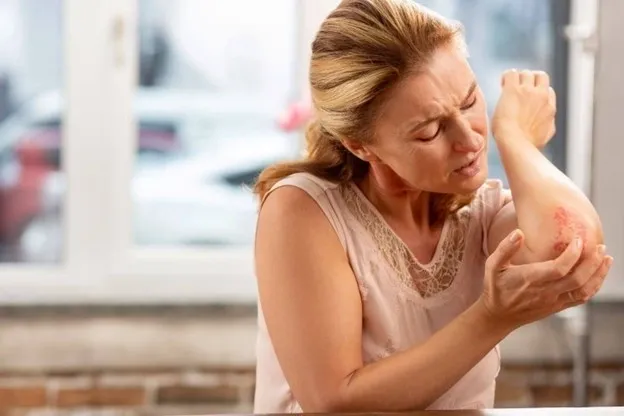
One of the common reasons for adding homemade skincare products to your regimen is to avoid the irritation that often comes from harsh professional or store-bought products. However, DIY skincare recipes are not guaranteed to be free from irritants. In fact, many recipes include citrus juices, kinds of vinegar, or spices that disrupt the balance of your skin barrier and can cause dryness, itching, burns, and even infections.
Though many at-home skincare recipes include lemon juice, baking soda, toothpaste, cinnamon, apple cider vinegar, or essential oils, these ingredients may cause pigmentation issues, as well as inflammation, dry and flaky spots, or blisters.
As well, many all-natural ingredients, including berries and turmeric powder, can stain your skin and cause unsightly skin spots that, while not necessarily irritating to your skin, can take an aggravatingly long time to fade.
They Can Cause Microscopic Damage
Exfoliation is an important part of any skincare regimen, but many homemade exfoliants contain ingredients that are far too abrasive for your skin. Some of these solutions contain sugar, salt, or hand-ground nuts or nutshells, which may seem like harmless compounds at first, but these components can actually cause microscopic tears when rubbed on your face.
This can not only cause small areas of damage, but it can worsen scars, cause redness, and may invite infections due to areas of broken skin. While homemade exfoliants are not always safe for use, your dermatologist can advise you as to which recipes might be gentle enough to get the job done without causing damage to your skin.
They’re Often Less Effective
From anti-aging products to acne-fighting treatments, not all skincare products are created equally. As a result, many homemade recipes may not be as effective to soothe, supporting, and heal your skincare issues as professional products, especially if they contain ingredients that cannot adequately penetrate your skin’s surface to the deeper layers of your skin.
Natural skincare products, even those you make at home, can be an asset to your skincare regimen if used correctly and under the guidance of a professional. For advice and instruction as to which home ingredients are right for you and your skin, contact the offices of Advanced Dermatology & Skin Cancer Specialists. Our experienced professionals can diagnose your skincare issues and provide you with the right products and solutions to help you achieve bright, clear skin.