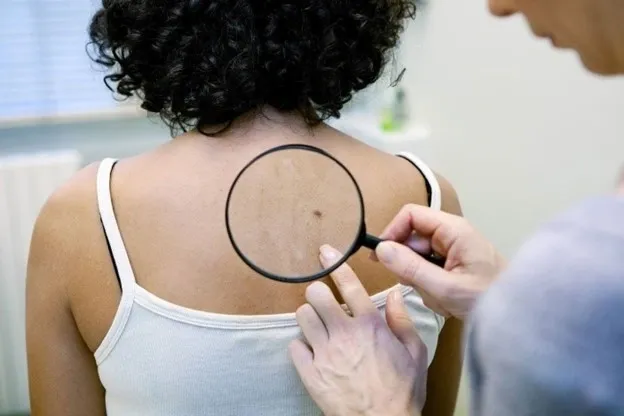
What is the treatment for actinic keratosis? Over 40 million Americans develop this type of precancerous lesion or growth annually, according to the American Academy of Dermatology (AAD). If you deal with this diagnosis, take a look at what you need to know about actinic keratosis treatment.
Should You Treat Actinic Keratosis?
Simply stated — yes. Even though this type of dermatological condition is often benign (non-cancerous), it can become squamous cell carcinoma. Between five and 10 percent of actinic keratoses become cancerous, according to the Skin Cancer Foundation. While this may not seem like a number to worry about, any skin cancer risk is too large to ignore.
Given the potential for actinic keratosis to turn into skin cancer, you should always seek medical treatment for this type of lesion. What may look like just a small, discolored spot or patch right now could turn into a potentially dangerous, invasive cancer.
Can You Effectively Treat Actinic Keratosis?
Even though actinic keratosis can turn into invasive skin cancer, it doesn’t have to. This skin condition is treatable if you treat it early on. The first step to treatment is identification. If you have pink, red, tan, or other discolored patches on your skin that have a rough texture, are raised, or look odd, talk to your dermatologist as soon as possible. The doctor will examine the area and biopsy the lesion to make an accurate diagnosis.
After the diagnosis, the doctor will discuss treatment options. The biopsy may require the dermatologist to remove the questionable area. If your doctor already removed the actinic keratosis to make a diagnosis, you may not need further surgical treatment.
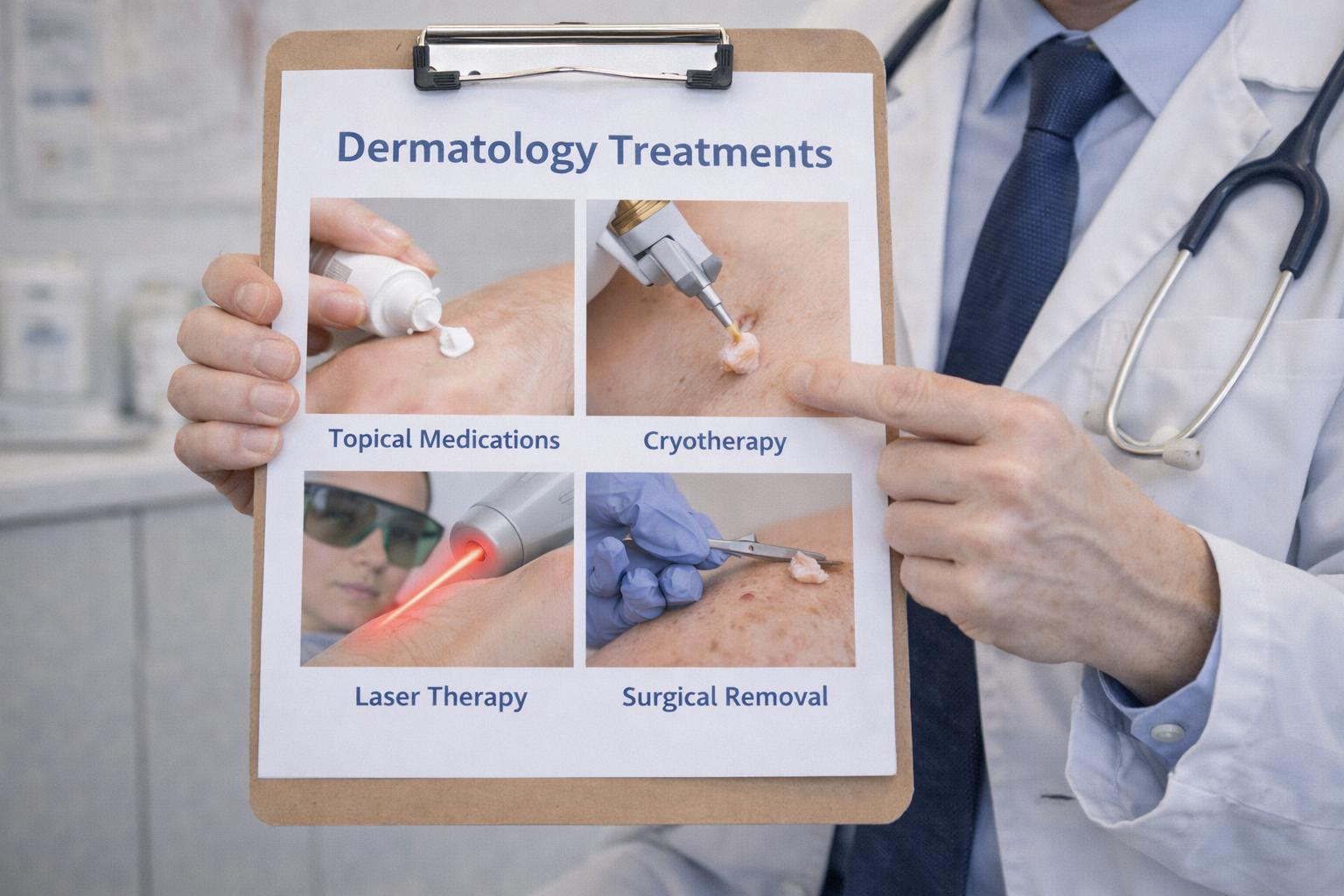
Curettage and desiccation is a common surgical procedures. The doctor will scrape or shave the lesion off the skin. After removing the lesion, the dermatologist will then destroy any leftover cells and stop the bleeding with heat or chemicals.
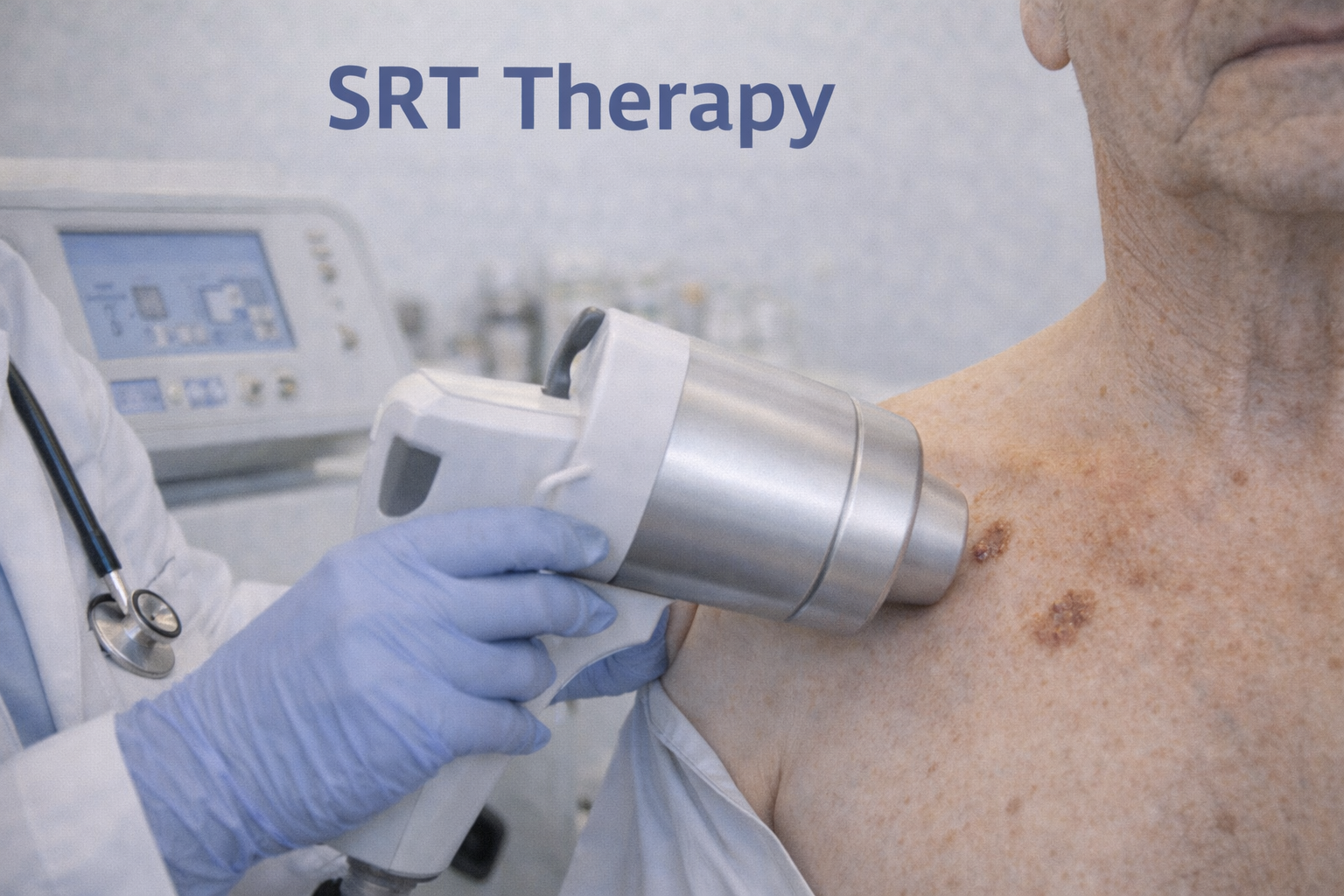
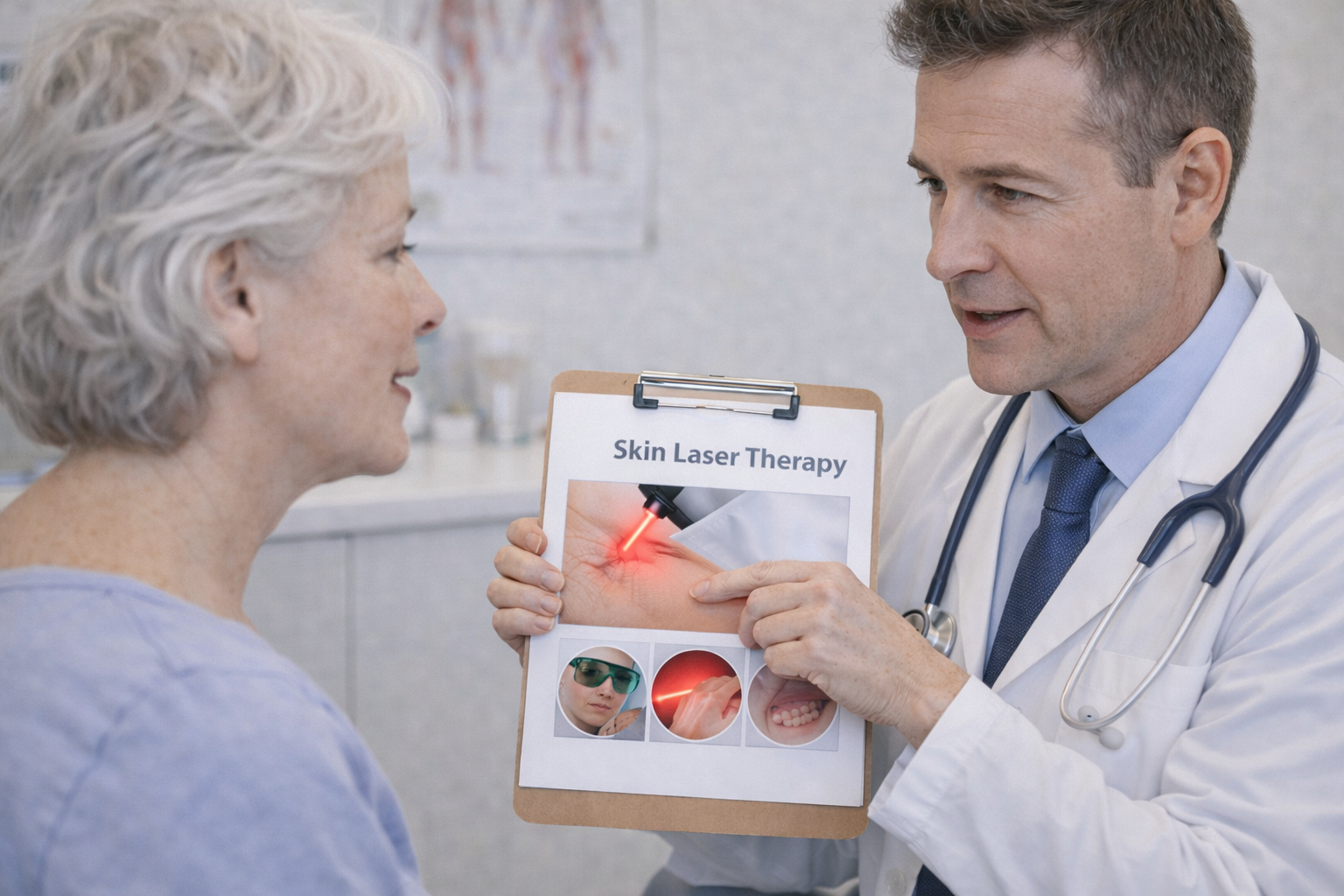
Other removal procedures include chemical peels (the use of chemical agents to peel off the top layers of skin), cryosurgery (the use of liquid nitrogen to freeze the tissue off), or laser surgery (the use of lasers to remove the keratosis).
Are Surgical Treatments the Only Options?
Some actinic keratosis lesions may not require surgery. Topical gels and creams can help to treat widespread actinic keratosis that covers larger areas of the body. These are only available by prescription and may reduce the appearance of the spots without the same scaring risk surgical procedures have. Medications such as 5-fluorouracil, diclofenac, imiquimod, or ingenol mebutate can help treat keratosis-covered areas.
Photodynamic therapy (also known as PDT) is another option for patients with multiple or widespread actinic keratoses. This in-office therapy uses a light-sensitizing topical agent and blue or red light to kill cancer cells and destroy the discolored lesions. PDT allows the doctor to treat actinic keratosis and actinic keratosis only. The procedure won’t harm the surrounding healthy skin.
Will the Doctor Only Use One Treatment?
It’s possible the doctor may recommend a combination of treatments. These may include PDT and cryosurgery, topical treatment and cryosurgery, or PDT and topical treatments. Trust your dermatologist to provide the best treatments for your specific diagnosis.
Does Actinic Keratosis Require Follow-Up Care?
Your dermatologist may need to follow up and check the area after surgical removal or other treatment. If the actinic keratosis returns, the dermatologist will need to treat the lesion again. Your dermatologist may also want to check previously unaffected skin for new issues or other potentially precancerous skin issues.
Do you need actinic keratosis treatment or a skin check-up? Contact Advanced Dermatology & Skin Cancer Specialists for more information.