While hair loss is not uncommon in men, most women do not expect to lose much of their hair. Female-patterned baldness, also known as alopecia, may appear suddenly and take you by surprise. Many women don’t realize they have a problem until they lose a lot of hair.
Here is more about what causes alopecia, how to manage it, and what treatments help you keep your hair.
What Does Female Alopecia Look Like?
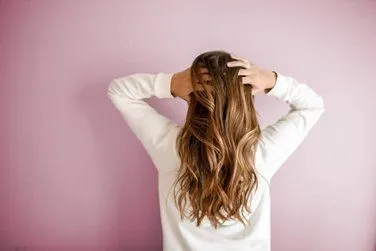
Female alopecia has different forms. For most women, the thinning starts with a widening part. Hair will usually begin to thin around that part across the crown of the head. Women with fine hair will see the effects of alopecia sooner than those with thicker hair. Some hairstyles may also make the condition more noticeable.
How Is Female Alopecia Different From Male Alopecia?
Male alopecia generally begins at the temples and recedes back to the crown over time. Some men start to lose their hair across the crown first, and the hair loss moves forward on their heads. Many men have complete hair loss in these areas. Most men who go bald start to lose their hair at a younger age than women with alopecia.
Women generally keep their hairline but experience excessive thinning instead. Very rarely do women have complete hair loss in the thinning areas. The majority of women with alopecia notice symptoms at middle age, especially during or after menopause.
What Causes Female Alopecia?
The causes can range from a few different things.
Androgenic Hormones
Like men, androgenic hormones play a significant role in hair loss in women. Hormone imbalances, such as when you are pregnant or going through menopause, may cause an increase in androgenic, or male, hormones. This could result in accelerated hair loss.
Medications
Some medications can cause hair to thin or hormones to change. For example, chemotherapy often affects hair while it is in the growth stage. Fortunately, hair is likely to grow back once you stop taking the medication.
Autoimmune Disorders
Some types of autoimmune disorders cause patchy hair loss not only on the head but elsewhere on the body. You are more likely to have this problem if a relative has the same condition. This hair loss is usually not permanent and can be reversed.
Stress and Illness
Some types of shock and illnesses could cause increased hair loss. Examples of such shock include childbirth, weight loss, and surgery. The hair follicles most affected are in the resting phase of growth, and the hair often grows back quickly.
How Is Female Alopecia Treated?
Treatment for female alopecia depends on the cause. For hormone-related alopecia, the main focus is to stop and possibly restore some of the hair loss. Medications and dietary supplements that support and prolong the hair growth cycle are available. Some women may also benefit from anti-androgen medications to lower those hormones. Hair transplants are also an option.
Another thing you can do to reduce hair loss is to be gentle with your hair. Don’t wear tight hairstyles like braids and tight ponytails. Choose your combs and brushes carefully so they don’t pull or tug at your scalp. Be careful combing your hair when it is wet and be delicate with tangles. Use chemicals, such as perms and straighteners, with extra care.
Female alopecia is not unusual, and many women experience symptoms at some time in their lives. With help, you can preserve the hair you have left and possibly restore some of what you have already lost. Advanced Dermatology & Skin Cancer Specialists can diagnose and provide a treatment plan for your alopecia. Contact us for an appointment and consultatio