Scars tend to fade over time, but some people may have scars that grow larger. These types of scars are known as keloids. Learn more about keloid scars so that you can get the treatment you need if you suspect you have one.
What Do Keloid Scars Look Like?
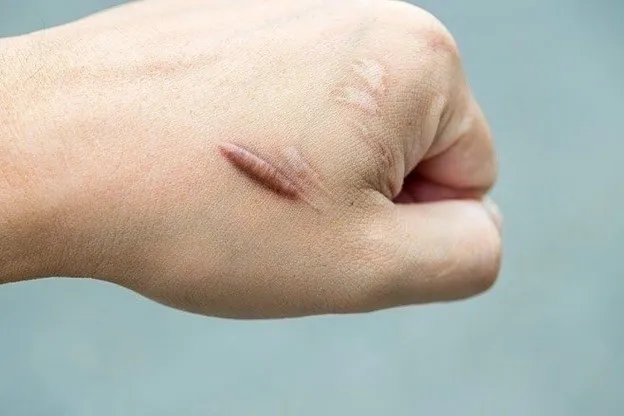
Unlike other scar types, keloid scars can extend and grow beyond the original injury site. Unlike other scars that may be flat and lightly colored, keloids are often lumpy and ridged. They can be flesh-colored, but they can also be brown, red, or pink.
What Causes Keloids to Develop?
Keloid scars are the result of an overactive healing process; however, doctors are still unsure why some people develop them while others don’t. For example, some people with acne scars may just develop atrophic scars, which are flat, shallow depressions on the skin, while other people with acne scars may develop keloids. Keloids can also develop after the following
· Vaccinations
· Surgical incisions
· Ear piercing
· Burn injuries
· A case of chickenpox
While the cause of keloid formation is still unclear, some demographics are more at risk for their development. For instance, certain genes, like the AHNAK gene, can make some people more likely to develop these kinds of scars. People of Latino or Asian descent are also more likely to develop keloids after injuries compared to other ethnicities.
Are Keloids a Problem?
Some people may be worried that keloids are cancerous because of their size and discoloration; however, keloids are benign. They are mainly a cosmetic concern. While keloids don’t cause pain, they can be very itchy and can cause discomfort if they rub against clothing or affect movement around joints.
How Can a Dermatologist Help?
Visit your dermatologist for a firm diagnosis if you suspect you have a keloid. If you do have a keloid, you have many different treatment routes available. Conservative treatment routes can include things like corticosteroids or cryotherapy.
Corticosteroids
Corticosteroids are drugs that can lower inflammation levels in the body. Your doctor can inject some corticosteroids directly into the keloid, which can reduce itchiness and swelling. The steroids also break up the bonds between collagen fibers — a structural protein found in skin — which can help the scar tissue to shrink.
Cryotherapy
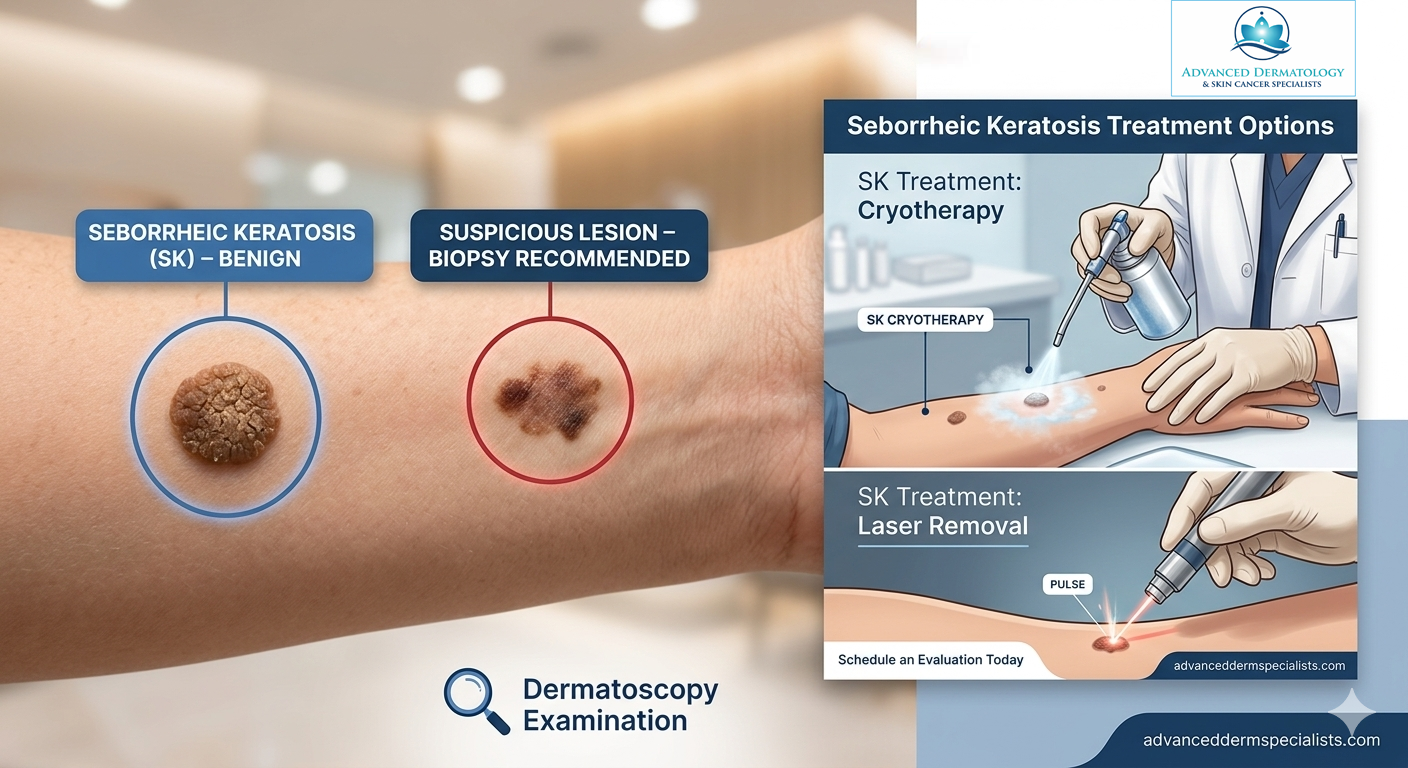
During cryotherapy, your dermatologist will spray liquid nitrogen into the keloid to freeze it. The keloid cells are destroyed and shrink when frozen. Cryotherapy is best used for people with smaller keloids.
If you’ve had a keloid for some time or have a larger keloid that doesn’t respond to corticosteroid injections or cryotherapy, then your dermatologist might recommend surgery or laser treatments.
Surgery
During surgery, your dermatologist can excise the excess scar tissue and use skin grafts from another area of your body to encourage healing. However, the removal of keloids could lead to more keloids, so to prevent that from happening, your dermatologist may use pressure bandages or silicone bandages on the surgical site following the procedure.
Laser Treatments
Laser treatments can help the keloid and the area around the keloid look smoother and give your skin a more even appearance. Laser treatments can reduce the number of blood vessels, and such decreasing vascularization can reduce further growth of the scar tissue. Like surgical excision, there is a risk that the treatment could increase scar tissue in the area, but pressure bandages after the procedure can help reduce this risk.
These are just a few ways you can treat keloid scars. Reach out to our staff members at Advanced Dermatology & Skin Cancer Specialists for more information about this condition and how to treat it.